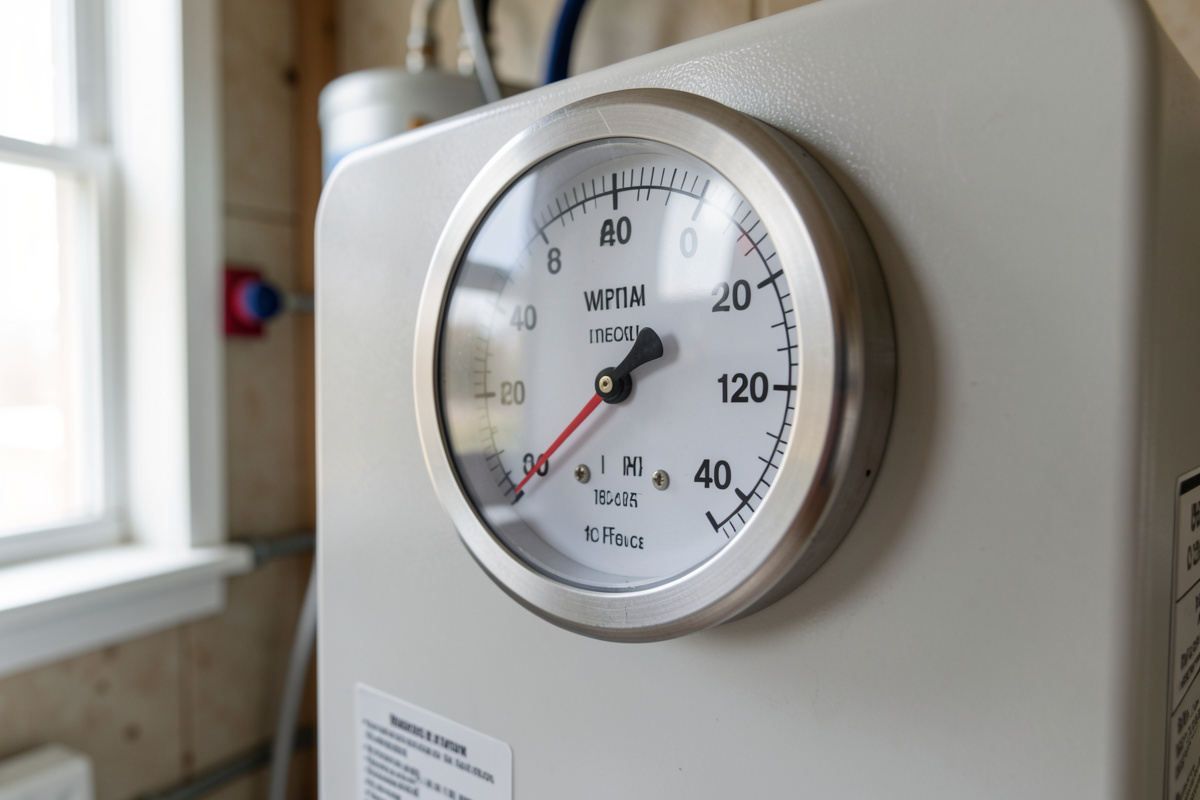

A freeze dryer that will not reach vacuum cannot dry your food — sublimation needs that deep low pressure to happen at all. In my batch log, a machine struggling to pull down traces to three causes, in this order of likelihood: the drain valve left open, a leaking door gasket, or saturated pump oil. I have made the open-drain-valve mistake myself on an early-morning load, watched the vacuum hang, and felt foolish when I found it. Check the cheap, reversible causes before you ever suspect the pump.
I run a Harvest Right Medium-class unit on a standard oil pump, and vacuum faults are the troubleshooting call I get asked about most. The good news is that the vast majority are operator-fixable in minutes once you know the sequence. This guide walks that sequence — what a healthy pull-down looks like, the three usual suspects, how to confirm each, and when the problem has genuinely moved into the pump or beyond. It is a deep dive under my broader freeze dryer troubleshooting guide.
What a Healthy Vacuum Pull-Down Looks Like
On a healthy machine with a good pump and seal, the vacuum drops steadily after the freeze stage and settles into a deep, stable low pressure that holds for the rest of the cycle. What you are watching for in a fault is the opposite: a pull-down that stalls high, drifts, or never settles. If the machine cannot get the pressure down and keep it there, the dry stage cannot do its job, and you will likely end up with wet food regardless of how long you run it.
Knowing your machine’s normal pull-down behavior — from your own log — is what makes a fault obvious. This is the same reason I harp on logging everything: “the vacuum seems off” is a feeling, but “it stalled higher than my last ten batches” is a diagnosis. If the failure to dry is what tipped you off, also read the food still wet guide, because the two problems are joined at the hip.
Suspect One: The Drain Valve Is Open
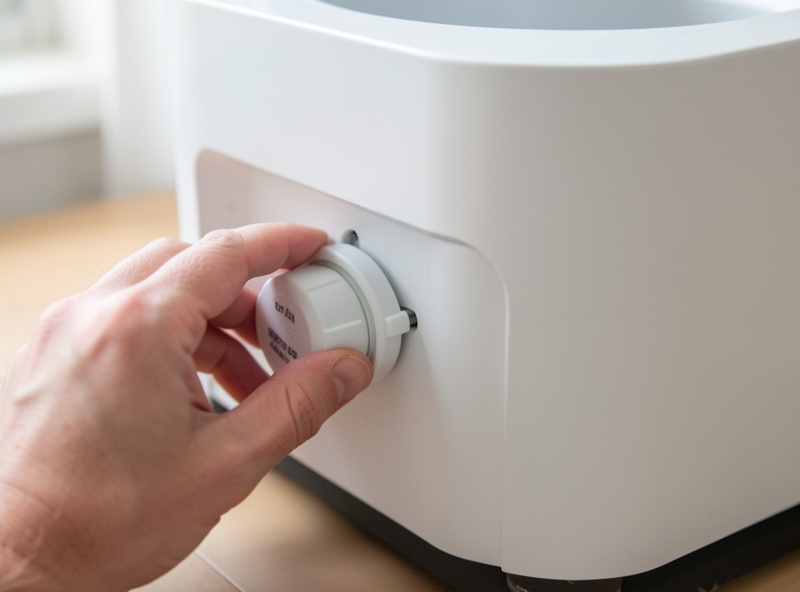
This is the most common cause and the most embarrassing, which is exactly why I list it first. The drain valve has to be fully closed for the chamber to hold vacuum. If it is open or not fully seated, you are trying to pull vacuum on a chamber with a hole in it — it will never pull down. It takes one second to check and it fixes the problem more often than anything else on this list.
Before you touch anything else, confirm the drain valve is closed and seated firmly. Make this the first reflex of every “won’t reach vacuum” diagnosis. I now glance at the valve as part of loading, precisely because I have been caught by it. If the valve is closed and it still won’t pull down, move to the seal.
Suspect Two: A Leaking Door Gasket
The door gasket seals your vacuum chamber against a room full of air. When it is dirty, hardened, pinched, or torn, air leaks in continuously and the pump can never win the race to deep vacuum. A gasket leak has a useful signature: it usually shows up as poor vacuum and excessive ice at the same time, because the same gap that bleeds your vacuum also lets humid air in to freeze. If you see both symptoms together, the gasket is your prime suspect.
Clean the gasket of any food debris or condensation, run a finger around it for hard spots, cracks, or tears, and confirm it is seated evenly. A clean, soft, well-seated gasket seals; a stiff or split one needs replacing, which is a cheap part. The ice side of this same failure is covered in my ice buildup guide — if you have been fighting both, fixing the gasket usually clears them together.
Suspect Three: Saturated Pump Oil
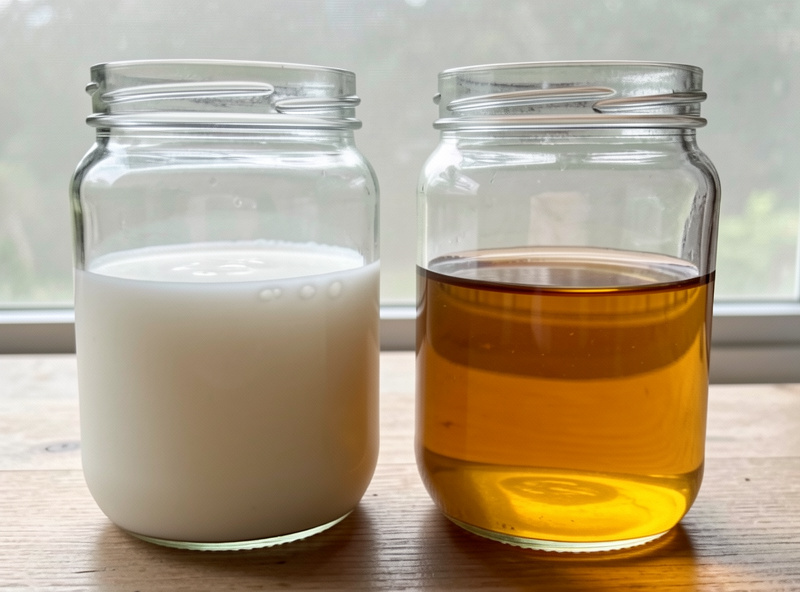
On an oil pump, the oil is what lets the pump achieve deep vacuum. Over batches it absorbs water pulled from your food and turns cloudy and milky. Saturated oil cannot hold the deep vacuum a fresh charge can, so pull-down gets weaker and slower until you change it. The sight glass tells the story: clear, honey-colored oil is healthy; cloudy, milky, or visibly contaminated oil is overdue. This is the cause people overlook because it creeps up gradually rather than failing all at once.
The fix is a clean oil change with the correct oil for your pump. Keeping fresh vacuum pump oil on the shelf means a saturated charge never costs you a batch waiting on a delivery. As an Amazon Associate I earn from qualifying purchases. My step-by-step is in the oil change guide, the right oil for your pump is in the oil type guide, and the whole routine lives in my pump care guide.
The Diagnostic Sequence I Actually Run
When a vacuum hangs, I work the cheap-to-expensive order without skipping steps. First, confirm the drain valve is fully closed — one second, fixes it most often. Second, clean and inspect the door gasket and reseat it. Third, check the pump oil in the sight glass and change it if it is cloudy. Fourth, check the vacuum hose and any fittings between pump and chamber for a loose connection or cracked line. Only after all four come back clean do I conclude the problem is the pump itself or deeper.
Each step changes one variable, then I re-run and watch the pull-down. This is methodical on purpose: skipping straight to “the pump is dead” gets people buying parts they did not need. The pump-side diagnosis, once the seal and oil are ruled out, is in my vacuum pump problems diagnosis.
When It Is the Pump or Beyond
If the drain valve is closed, the gasket is clean and soft, the oil is fresh and clear, and the hose and fittings are tight — and it still will not pull down — the problem has moved into the pump or the machine. A pump with worn internals or a stuck valve may need service or replacement. Anything pointing at the refrigeration system or the control electronics is technician territory, not a driveway repair, and on a machine under warranty a DIY attempt can void coverage.
At that point I document the symptom and my full checklist results from the log and contact Harvest Right support. The log makes that call faster and the technician’s job easier, because I can show exactly what I ruled out. If a vacuum fault also throws a pressure-related error code, cross-reference the error codes guide before you call.
Frequently Asked Questions
Why won’t my freeze dryer reach vacuum?
The three most common causes, in order, are the drain valve left open, a leaking or dirty door gasket, and saturated pump oil. All three are operator-fixable in minutes. Check the drain valve first, then the gasket, then the oil, before suspecting the pump.
What should I check first when vacuum won’t pull down?
The drain valve. It must be fully closed and seated for the chamber to hold vacuum. An open valve is the single most common and most overlooked cause, and it takes one second to confirm before you investigate anything more involved.
How do I know if my pump oil is the problem?
Look at the sight glass. Clear, honey-colored oil is healthy. Cloudy, milky, or contaminated oil is water-saturated and cannot hold deep vacuum. If pull-down has gotten gradually weaker over many batches, saturated oil is the likely creeping cause.
Can a bad gasket cause both ice and vacuum problems?
Yes, and it is the clearest signature of a gasket leak. The same gap that bleeds your vacuum also lets humid air in to freeze, so poor pull-down and excessive door ice appearing together usually share one root cause. Fix the gasket and both clear.
How deep should the vacuum go on a home freeze dryer?
It should drop steadily after the freeze stage and settle into a deep, stable low pressure that holds for the rest of the cycle. The exact number varies by machine and altitude, so the best baseline is your own logged normal pull-down for comparison.
When should I call support about a vacuum problem?
After you confirm the drain valve is closed, the gasket is clean and soft, the oil is fresh, and the hose and fittings are tight, and it still won’t pull down. At that point it is likely the pump or refrigeration, which is technician territory, especially under warranty.