Preserved food in glass jars on pantry shelves
Home Freeze Drying, Honestly Costed

Preserve Everything.
Waste Nothing.

Real cycle times, real electricity bills, real pump maintenance. Guides to home freeze drying from someone who logs every batch — including what these machines actually cost to run.

Start With the Basics

Essential Reading

Batch Math, Not Marketing

Cycle times, kWh per load, jars per batch, cost per pound — whether a freeze dryer "pays for itself" depends entirely on how you run it. The numbers are in the guides. Run your own.

See the math

Choosing a Machine

Machine Per-Batch Capacity Pump Notes Ballpark Price
Harvest Right Small 4 trays, roughly 6–10 lb fresh Oil pump standard; oil-free is a costly upgrade ~$2,195
Harvest Right Medium 5 trays, roughly 10–15 lb fresh Same pump options; the household sweet spot ~$2,895
Harvest Right Large 6 trays, roughly 16–25 lb fresh Plan for a dedicated circuit and real floor space ~$3,495

Prices for reference only — they move with promotions and pump choice. An oil pump is cheaper up front but needs oil filtering or changes every few batches; an oil-free pump costs more and skips that chore. Capacity figures are honest working ranges, not brochure maximums.

Recent Articles

How to Rehydrate Freeze Dried Vegetables
Rehydrating and Cooking

How to Rehydrate Freeze Dried Vegetables

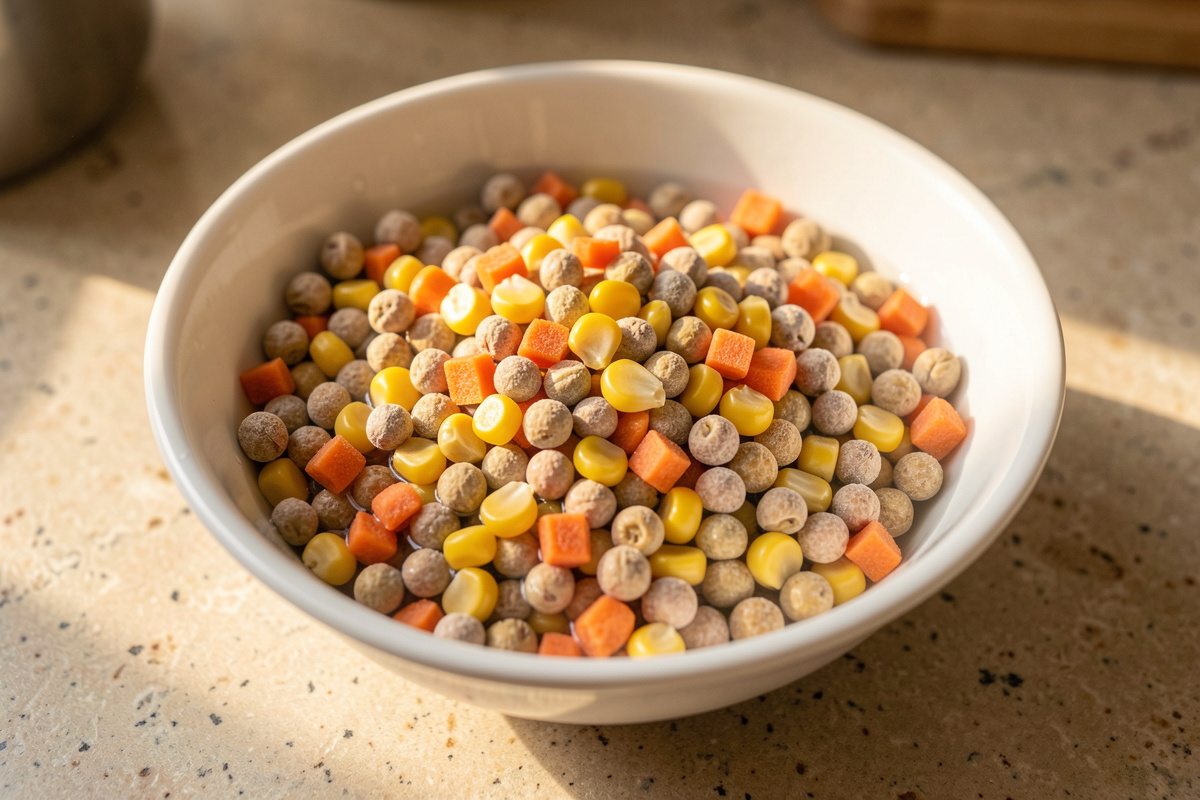
To rehydrate freeze dried vegetables, cover them in warm water and wait 8 to 15 minutes, then drain the excess. Peas, corn, and diced carrots come back well; leafy greens rehydrate in under five minutes; and most of the time the smartest move is to skip the bowl entirely and rehydrate them right in whatever […]
Read 6 min read
Freeze Dryer Runs But Won’t Start the Cycle: What to Check
Troubleshooting and Repair

Freeze Dryer Runs But Won’t Start the Cycle: What to Check

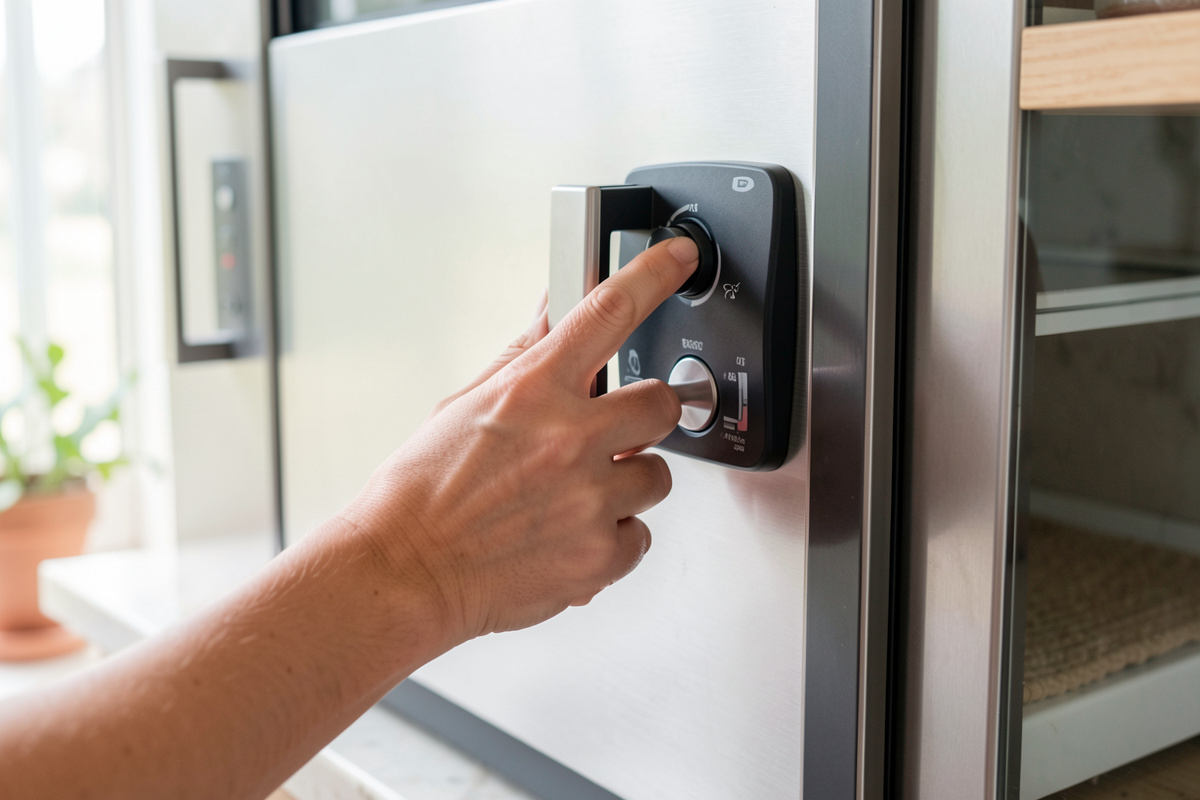
A freeze dryer that powers on but won’t start its cycle is the most frustrating fault precisely because the machine is clearly alive — display lit, fans audible — yet it refuses to begin freezing or drying. In my batch log, a no-start has been an actual hardware failure maybe once in dozens of stalled […]

Read 7 min read
Freeze Drying Raw vs Cooked Meat: Which Wins?
First Batches

Freeze Drying Raw vs Cooked Meat: Which Wins?

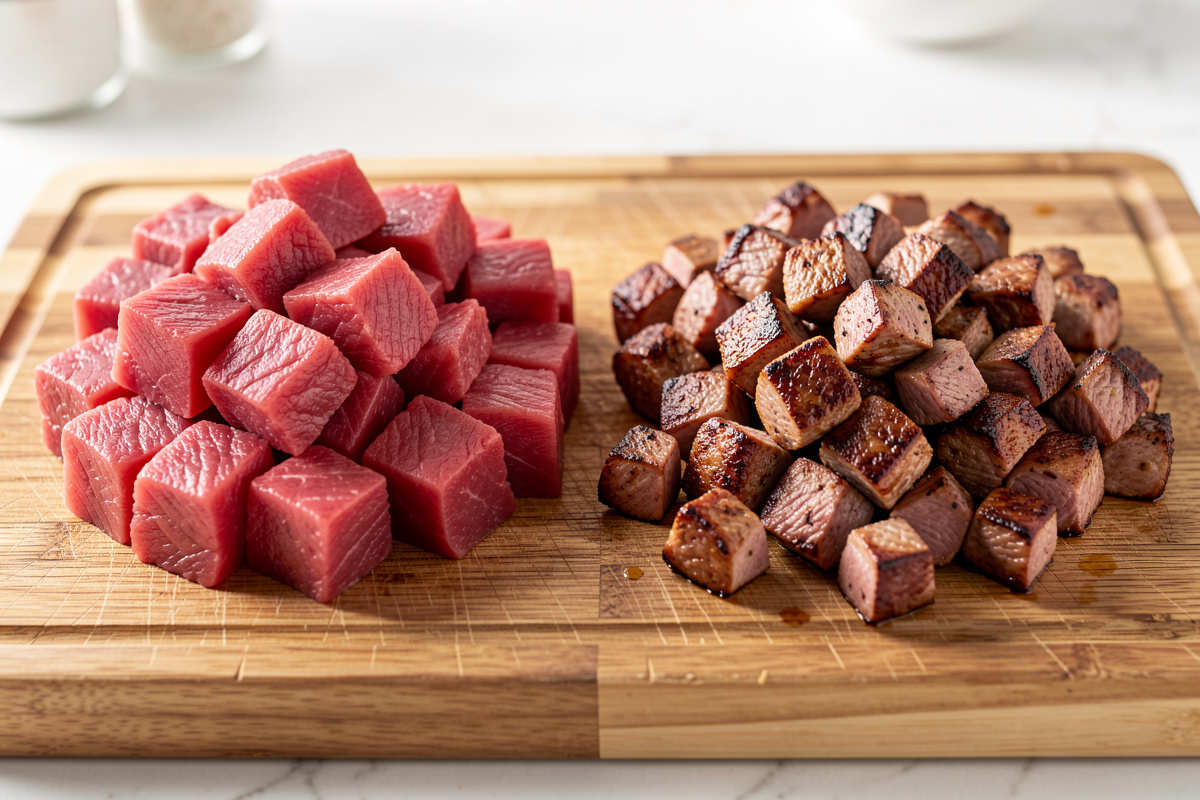
Freeze drying meat cooked is the right default for almost every home operator: the kill step is already done, rehydration takes minutes instead of a careful simmer, and the food comes back closer to a finished meal. Raw freeze drying preserves the option to cook from “fresh” later, but it stays raw the entire time […]

Read 7 min read
Freeze Drying Yogurt at Home: The Easy Win
Dairy, Eggs and Baked Goods

Freeze Drying Yogurt at Home: The Easy Win

Freeze drying yogurt is the easiest, most forgiving load in the entire dairy category, and the one I hand to every new owner first. Spread thin and pre-frozen, it runs about 24 to 30 hours on my Medium-class machine and comes out as tart, crisp shards my kids eat straight off the tray. It rehydrates […]

Read 8 min read
Freeze Dryer Cycle Taking Too Long: Why and What to Do
Troubleshooting and Repair

Freeze Dryer Cycle Taking Too Long: Why and What to Do

A freeze dryer cycle taking too long is the most over-reported “fault” in the hobby, and in my batch log it is almost never the machine. Cycle length is driven by load weight, tray density, and pre-freeze quality. The same strawberries that finish in roughly 30 hours at a sensible load will push past 45 […]

Read 8 min read
How to Rehydrate Freeze Dried Food: A Complete Guide
Rehydrating and Cooking

How to Rehydrate Freeze Dried Food: A Complete Guide

To rehydrate freeze dried food, add back the water sublimation pulled out — submerge or mist the food in clean water, give it time, and don’t rush heat into proteins. Most fruit and small vegetables come back in 5 to 15 minutes; dense meats and beans can need 20 to 40 minutes plus a hot […]

Read 12 min read

The Journey

Setups by Goal

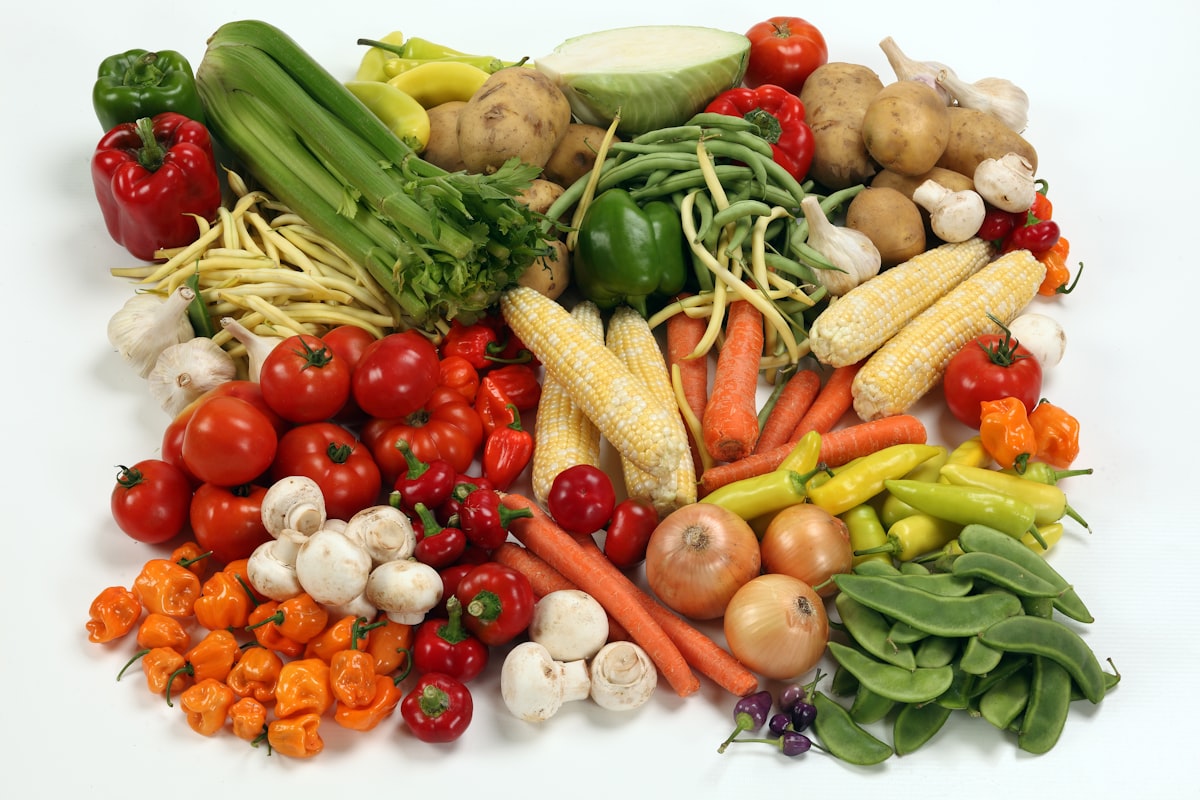
Fresh garden produce ready for preservation
About the Site

Real Numbers,
Honestly Logged.

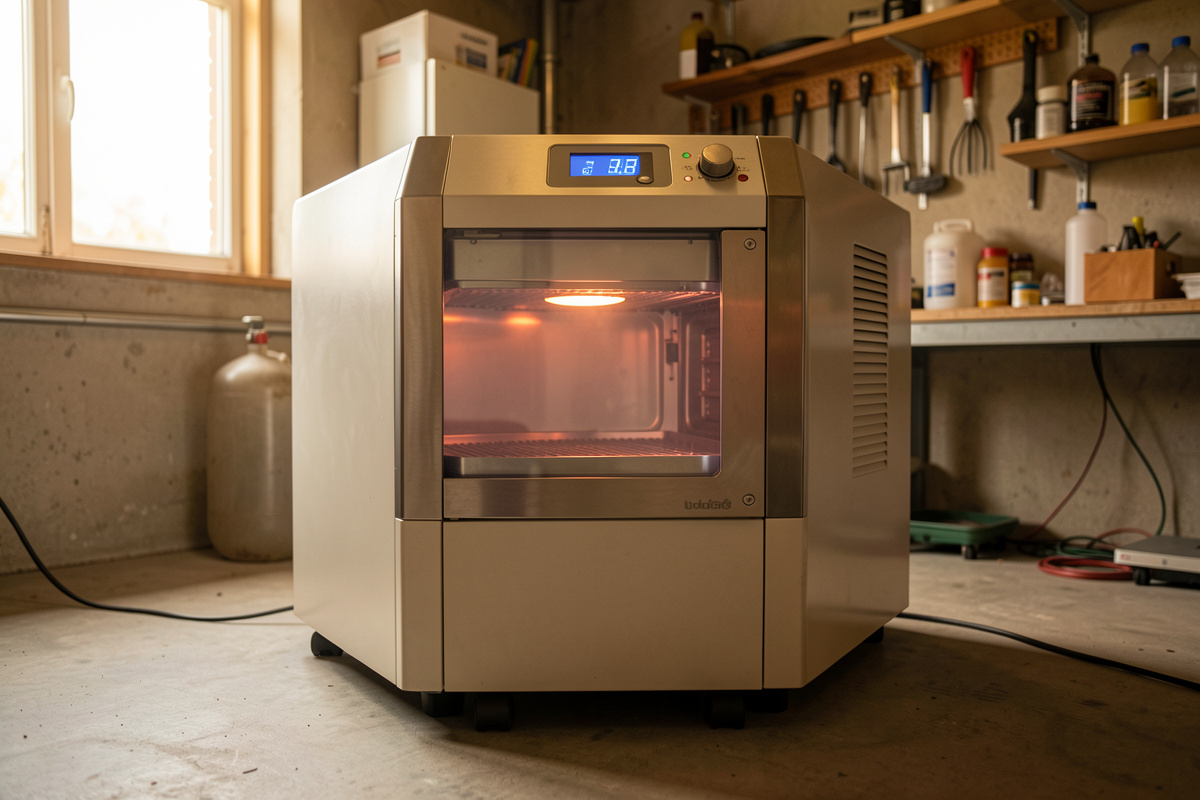
A home freeze dryer is a four-figure appliance that hums in your garage for 24 to 40 hours per batch. Whether it earns its keep depends on planning, not optimism.

Every guide here is built from logged cycles — load weights, dry times, power draw, pump-oil schedules, and the batches that failed — so you can decide what is worth running before you spend the money.

Read the full story →
The Newsletter

Join the Batch

New guides, batch logs, and real running-cost notes — sent monthly. No hype, and no "pays for itself" math without receipts.

For people who weigh their trays.