
Freeze dryer oil pump maintenance is the chore that separates the owners who get years of clean cycles from the ones who end up frustrated by slow, incomplete batches and a machine they blame for problems they created. I run a standard oil pump on my Harvest Right Medium-class machine, and I have kept an honest oil-change log against batch count for years. So instead of the vague “change the oil regularly” advice you see everywhere, this is my actual routine: when I change it, why I do it based on how the pump behaves rather than a rigid calendar, the filtration question, and the noises and signs that tell me the pump is unhappy before a cycle fails because of it.
One honest scope note up front: I own and maintain the standard oil pump. The oil-free premium pump is a different animal with a different maintenance story, and I will flag anything about it as reported by other operators rather than lived by me. If you are still deciding between the two, the oil vs oil-free vacuum pump guide covers the trade-offs in running cost, maintenance burden, and long-cycle performance. Everything in the routine below is the oil pump I actually run.
Why the oil matters more than people think
The pump’s whole job is to pull and hold a deep vacuum, and the oil is what lets it do that — it seals, lubricates, and carries away the moisture and contaminants the pump pulls through. As you run batches, that oil picks up water vapor and fine contamination from the food being dried. Dirty, water-laden oil cannot seal as well, so the pump pulls a weaker vacuum. A weaker vacuum means sublimation happens less efficiently, which means longer cycles and, at the extreme, food that never fully dries and fails the dry-check. In other words, neglected oil does not just shorten the pump’s life — it directly degrades your food results. That connection is the thing most new owners miss.
Schedule by behavior, not just the calendar
The common advice is “change the oil every few batches.” That is a fine starting point, but it is not how I actually run it, because batches are not equal. A clean, low-moisture load of pre-frozen berries is gentle on the oil; a wet, fatty, or heavily contaminated load punishes it far more. So I track oil condition against what I actually ran, not just how many times I pressed start.
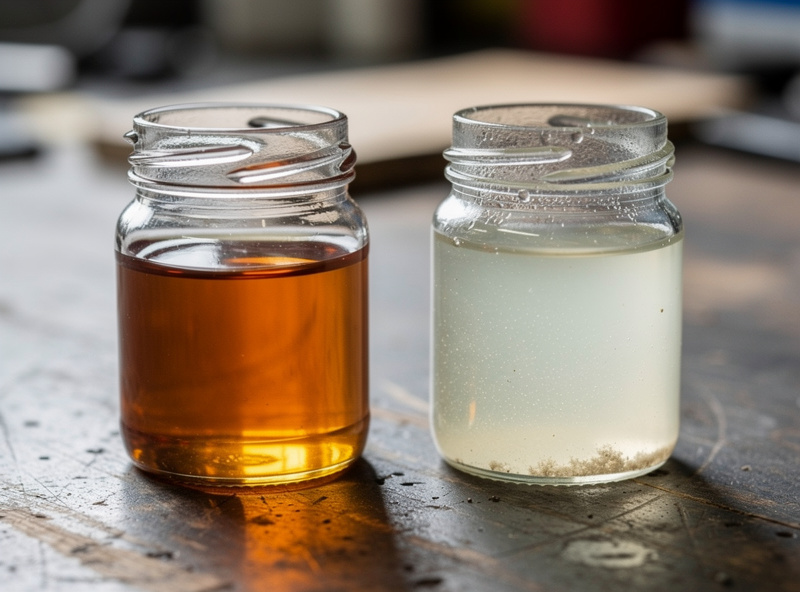
In practice my rule is: change the oil when it tells me to, and use batch count only as a backstop so I never forget. The oil tells me through its appearance — clean pump oil is clear and thin, and as it loads up with water and contamination it turns cloudy, milky, or darkened. The moment it looks milky or visibly dirty, it is overdue regardless of the batch count. And if I have just run a particularly wet or messy load, I check it immediately rather than waiting. The log exists so that on top of the visual check I have a count-based reminder; the visual check is what actually triggers the change.
The oil change routine, step by step
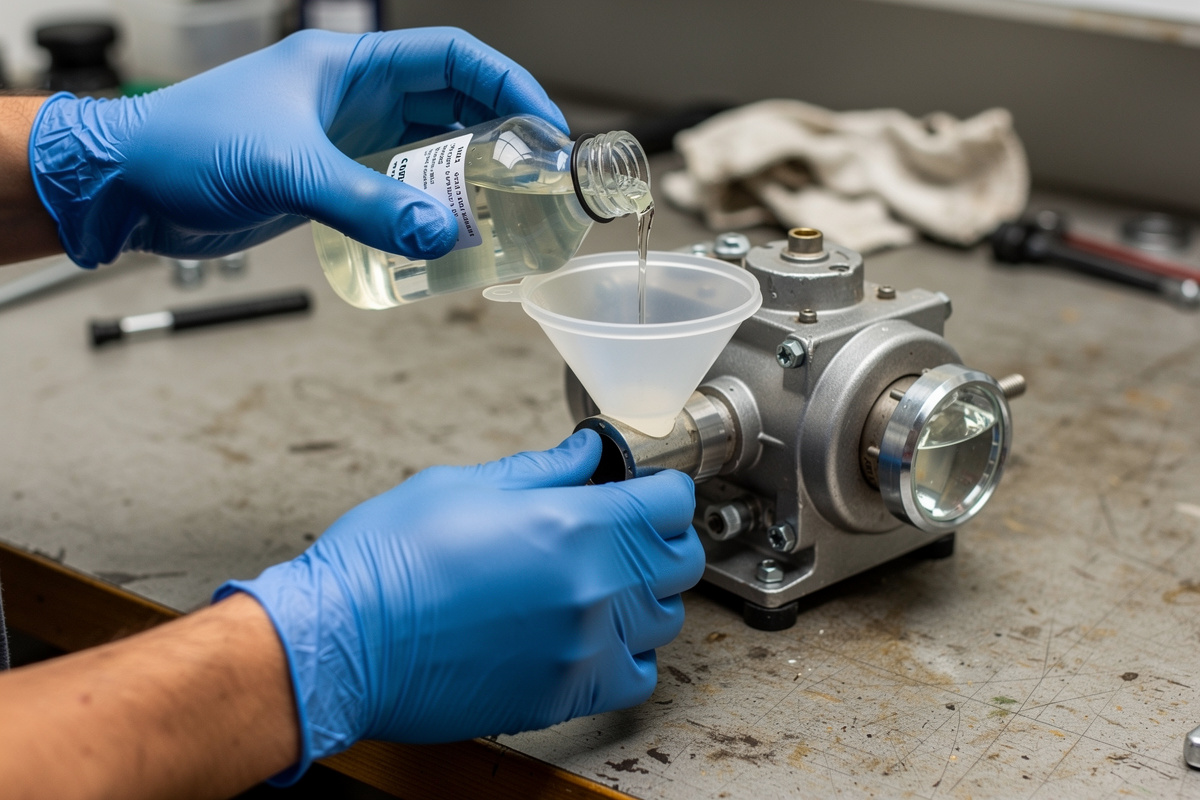
The change itself is simple and quick once you have done it a couple of times — it is genuinely one of the easier maintenance jobs on any piece of home equipment. I let the pump be warm but not running, drain the old oil completely into a container while it is still warm and flows freely, let it fully drain rather than rushing it, and refill to the correct level on the pump’s sight glass with fresh pump oil. The sight glass is the key instrument here: too little oil starves the pump, too much can cause its own problems, so I fill to the marked level and check it with the pump level and settled. Then I dispose of the used oil responsibly — it is contaminated waste oil, not something to pour down a drain.
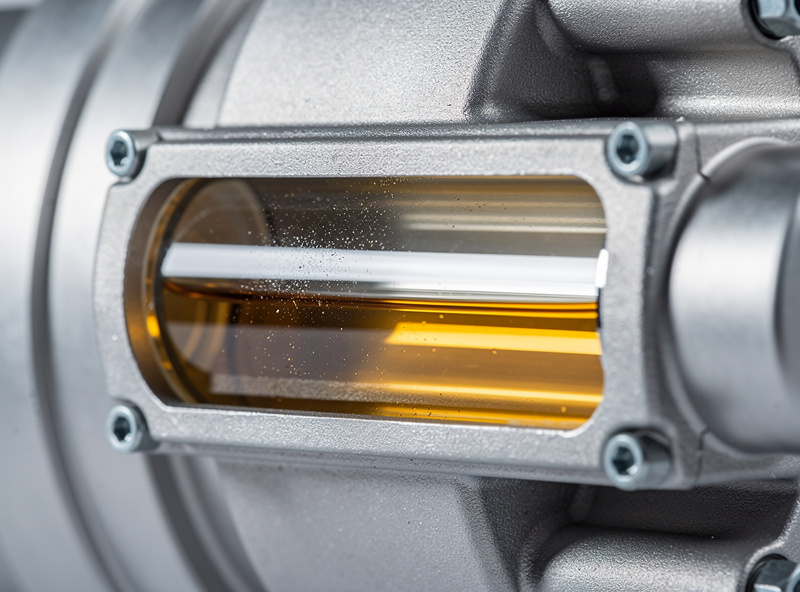
That is the whole job. The parts that trip people up are not the procedure but the discipline: actually doing it on time, draining it fully while warm so the contamination comes out with the oil, and reading the sight glass honestly instead of eyeballing it.
The filtration question
A common upgrade owners ask about is an oil filtration setup that lets you reclaim and reuse the oil rather than discarding it each change. The honest verdict from running my machine: filtration can extend how far a batch of oil goes and reduce how often you buy fresh oil, which adds up over a lot of batches. It is a convenience-and-consumables play more than a performance one — clean fresh oil is clean fresh oil whether it came from a bottle or a filter. Whether it is worth it depends entirely on your batch volume. If you run constantly, filtration earns its keep; if you run occasionally, just buying fresh oil is simpler and the cost is trivial. I treat it as an optional efficiency, not a requirement.
The noises and signs of an unhappy pump
After enough batches you learn the pump’s healthy voice — a steady, even drone — and you notice when it changes. A pump laboring on dirty oil often sounds rougher or works audibly harder, and the most telling sign is the vacuum itself: if the machine is taking noticeably longer to pull down to its working vacuum, or if cycles are running long and food is coming out under-dried despite good loading and pre-freezing, suspect the oil first. It is the cheapest, most common culprit and the easiest to rule out by simply changing it.
Other signs worth heeding: visible oil that is milky or dark, oil level dropping faster than expected (which can indicate it is being consumed or carried over), and any new rattle or rough note that was not there before. The oil-related issues resolve with a change; a rough note that persists after fresh oil is the point where I would stop guessing and look at the pump itself or consult the manufacturer’s documentation rather than improvising.
Affiliate disclosure: The links below are Amazon affiliate links — as an Amazon Associate I earn from qualifying purchases at no extra cost to you. The machine and pump are sold direct by the manufacturer, not Amazon; these are the maintenance supplies I keep on the shelf for the routine above.
- Vacuum pump oil — the recurring consumable; keep more on hand than you think you need.
- A drain pan and funnel — for a clean change and to capture the used oil for proper disposal.
- Nitrile gloves — because warm waste oil is messy and you will do this many times.
What I would tell a new owner
Do not fear the oil change — respect it. It is a five-minute job that protects both your machine and your food results, and the only way to get it wrong is to skip it. Watch the oil’s appearance, keep a simple count as a backstop, change it fully while warm, and read the sight glass honestly. Do that and the pump will reward you with years of deep, fast vacuums and food that passes the dry-check the first time. Neglect it and you will spend that same time troubleshooting long cycles and under-dried loads, blaming the machine for a problem that lives in a cloudy reservoir of old oil.
Pump care is one of the five ownership realities in the full freeze dryer ownership guide. A laboring pump also gets louder, which ties into my piece on how loud a freeze dryer really is, and a poorly maintained pump that pulls a weak vacuum lengthens cycles and quietly raises your per-batch electricity cost too.
Related reading
- Is a freeze dryer worth it? The full ownership reality
- How loud is a freeze dryer? Noise and siting
- Freeze dryer electricity cost per batch, measured
- Where to put a freeze dryer in your house
- Freeze dryer running costs: the real cost to own one
Frequently asked questions
How often should I change my freeze dryer pump oil?
Change it based on how the oil looks rather than a rigid calendar, using batch count only as a backstop reminder. Clean oil is clear and thin; the moment it turns cloudy, milky, or darkened it is due. Wet, fatty, or messy loads punish the oil faster, so check immediately after those rather than waiting for a count.
What happens if I do not change the pump oil?
Dirty, water-laden oil cannot seal well, so the pump pulls a weaker vacuum. That means less efficient sublimation, longer cycles, and at the extreme food that fails the dry-check because it never fully dried. Neglected oil degrades both pump life and food results.
How do I change freeze dryer pump oil?
With the pump warm but off, drain the old oil completely into a container while it still flows freely, let it fully drain, then refill with fresh pump oil to the marked level on the sight glass with the pump level and settled. Dispose of the used oil as contaminated waste, never down a drain.
Is an oil filtration system worth it?
It lets you reclaim and reuse oil, extending how far a batch of oil goes and reducing how often you buy fresh. It is a convenience and consumables saving rather than a performance gain, since clean fresh oil performs the same regardless of source. Worth it for high batch volume; unnecessary for occasional use.
How can I tell if my pump needs attention?
Listen and watch the vacuum. A pump laboring on dirty oil sounds rougher and works harder, and the telltale sign is a slower pull-down to working vacuum or cycles running long with under-dried food despite good loading. Milky or dark oil and a faster-than-expected level drop are also signs. Most of these resolve with an oil change.
Does the oil-free pump need this maintenance?
The oil-free premium pump has a different maintenance story and is not what I run, so I flag it as reported rather than lived. Operators generally report less routine maintenance than the oil pump in exchange for a higher upfront cost. For its specifics, follow the manufacturer’s documentation.