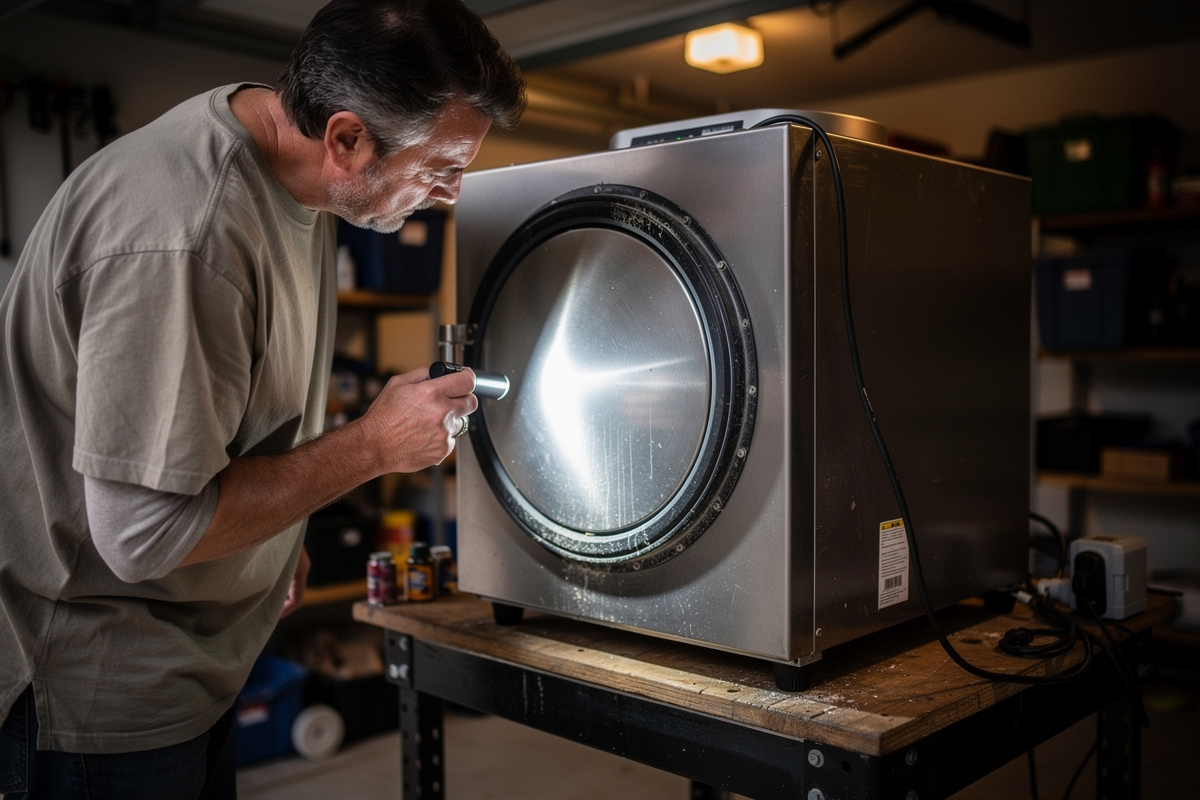

A used freeze dryer can be a genuine bargain or a several-hundred-dollar repair wearing a friendly price tag — and the difference comes down to a fifteen-minute inspection most first-time buyers don’t know how to run. These machines hold value well, so the used market is real and worth shopping. But because the expensive failure points are hidden inside the pump and the vacuum seal, a used unit is exactly the kind of purchase where knowing what to check separates a smart buy from an emotional one.
I’ve maintained my own machine long enough to know which parts age, which fail expensively, and which problems are cosmetic versus structural. This is the checklist I’d run on any used unit before handing over money — a companion to the main freeze dryer buying guide and a natural follow-on once you’ve settled the size question.
The two things that actually cost money
Strip away the cosmetics and a used freeze dryer comes down to two expensive systems: the vacuum integrity (chamber, door, gasket, seals) and the pump. Everything else — scratched panels, a worn tray, a tired label — is cheap or irrelevant. If the machine holds a deep vacuum and the pump is healthy, you’re most of the way to a good buy. If it doesn’t, no amount of clean exterior makes up for it. So that’s where the inspection spends its time.
The inspection checklist
| What to check | Why it matters | Red flag |
|---|---|---|
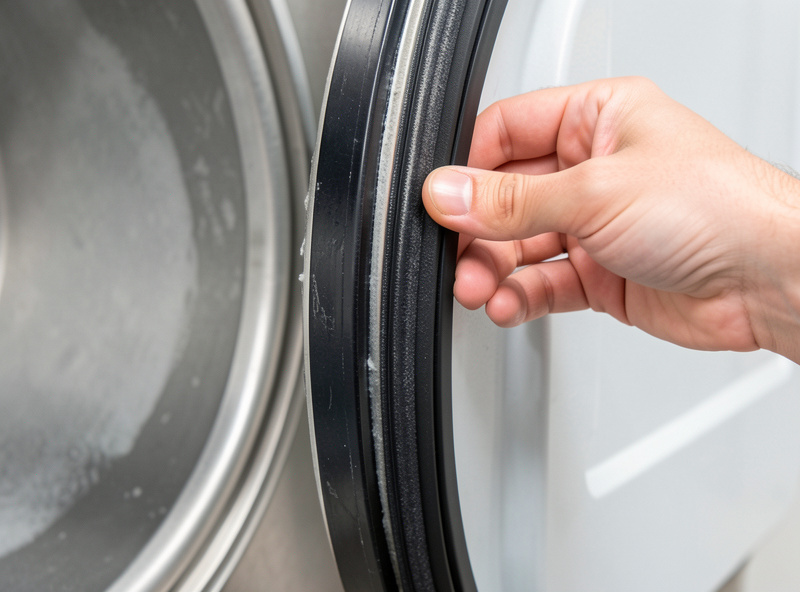
| Door gasket & seal | A bad seal kills vacuum and stalls cycles | Cracked, hardened, or deformed gasket; visible gaps |
| Chamber & door condition | Dents or warping near the seal break the vacuum | Deformation around the rim, rust pitting |
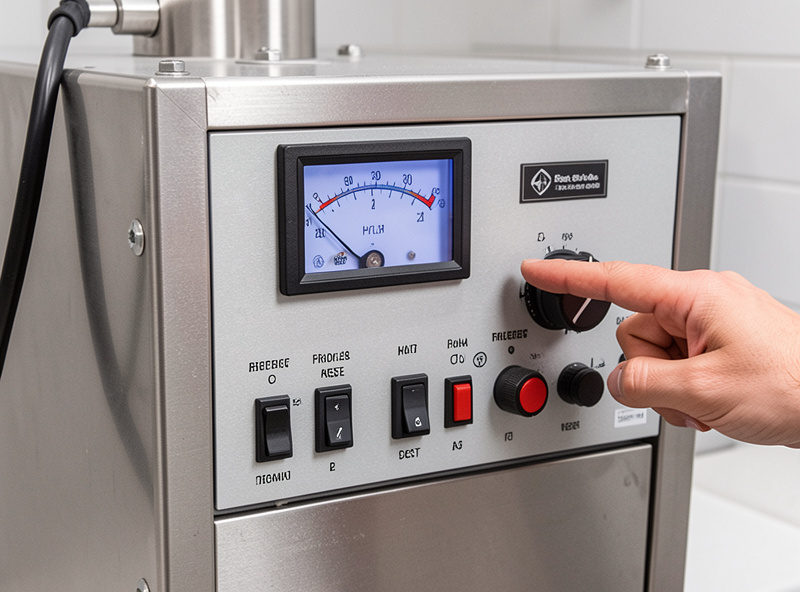
| Vacuum hold test | The single best proof the machine works | Can’t pull down or won’t hold the vacuum |
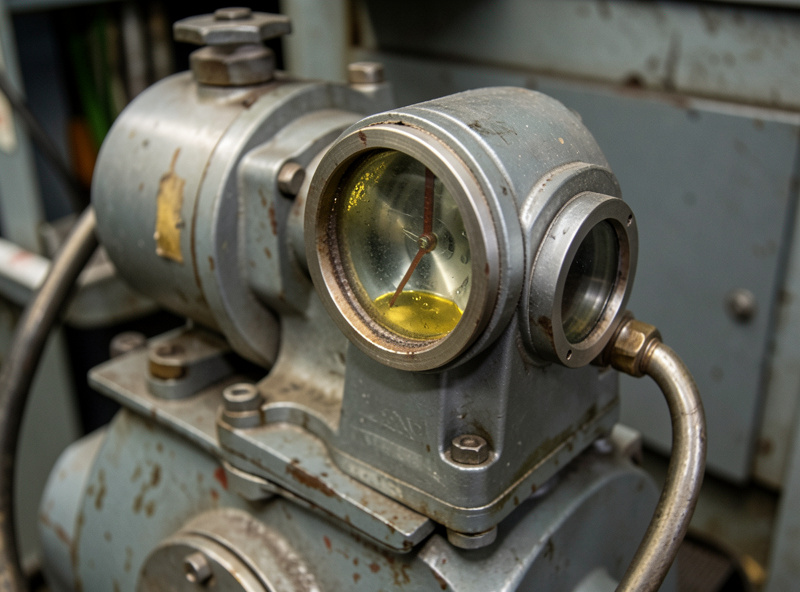
| Pump condition & oil | The pump is the costliest part to replace | Cloudy/contaminated oil, loud or laboring pump |
| Pump hours / age | Indicates remaining life and maintenance history | Heavy use with no maintenance records |
| Heating & shelf function | Drying needs working heat after freeze | Trays/shelves not heating; error codes |
| Parts availability | You’ll replace consumables eventually | Discontinued model with scarce parts |
| Maintenance records | Logged oil changes = a cared-for machine | No records, seller vague on history |
Run the vacuum hold test if you can
If the seller will let you power it up, the vacuum hold test is the most valuable five minutes of the whole inspection. The machine should pull the chamber down to a deep vacuum and then hold it. A unit that can’t pull down, or that pulls down and then leaks back up, is telling you the seal or the pump has a problem — and those are exactly the costly repairs. A machine that holds vacuum cleanly has just proven its two most important systems work. If the seller refuses to let you test it, treat that as information.
Read the pump honestly
The pump is the part I’d scrutinize hardest, because it’s the most expensive to replace and the easiest to neglect into an early grave. On an oil pump, check the oil — cloudy or contaminated oil suggests overdue maintenance, and a pump that’s been run hard on tired oil may have shortened its life. Listen to it run: a healthy pump has a steady sound, while a laboring or rattling one is a warning. Ask about hours and maintenance history; a seller who logged oil changes cared for the machine, and that’s worth paying a little more for. If you want to dig deeper into how the two pump types age, the oil versus oil-free pump breakdown covers it.
Disclosure: As an Amazon Associate I earn from qualifying purchases. Whatever the seller hands you, the first thing I’d do with any used oil-pump machine is a fresh oil change — pick up vacuum pump oil on Amazon for it before the first run. And if the door gasket looks tired, budget for a replacement gasket rather than fighting a leak.
Price it against the repairs you might inherit
The right price for a used machine isn’t the sticker minus a vague discount — it’s the sticker adjusted for what you may have to fix. A unit that holds vacuum with a healthy, well-documented pump deserves close to full used-market value. One with a questionable pump, a tired gasket, or no maintenance history should be priced to cover the repairs you’re likely inheriting. Walk in knowing roughly what a new pump and a new gasket cost for that model, and let the inspection set your number. A bargain that needs a new pump often isn’t a bargain at all.
Where used machines come from — and the shipping trap
Most used freeze dryers show up through local classifieds, preservation and homesteading groups, and the occasional estate or downsizing sale. The best buys are almost always local, and there’s a reason beyond saving on freight: a local machine you can inspect and power-test in person is worth far more certainty than one bought sight-unseen and shipped. These are heavy, and they don’t love being moved roughly — shipping a unit across the country risks transit damage to exactly the parts that matter, the chamber and the pump, and you lose the chance to run the vacuum hold test before you commit.
If you do buy at a distance, insist on photos of the oil, video of the machine pulling and holding vacuum, and a frank conversation about maintenance history before you pay. I’d pay a premium for a local machine I could test over a cheaper distant one I couldn’t — the inspection is the whole point of buying used wisely, and you can’t run it through a screen. Factor moving the thing into your plan too: it needs the same considered install spot a new one does, and you’re the one carrying it down the basement stairs.
When to walk away
Some red flags are dealbreakers, not negotiating points. A machine that won’t pull or hold vacuum, visible deformation around the door seal, a pump that labors or rattles, or a seller who won’t let you power it up and refuses to discuss history — any of those, and I’d walk. There are enough used machines on the market that you don’t have to take on someone else’s expensive problem. Patience is cheaper than a surprise repair, and the right used unit at the right price is genuinely a smart way into the hobby. Just buy the one that passes the checklist, not the one with the prettiest panels.