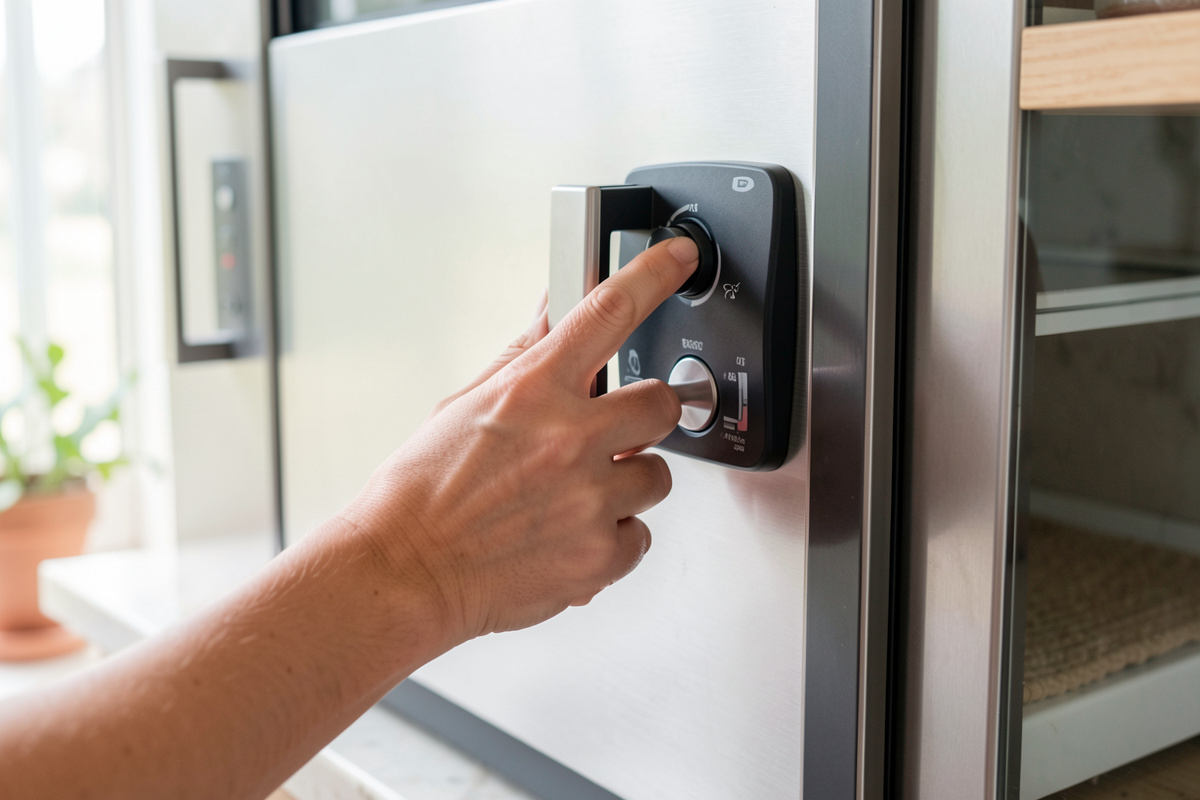

A freeze dryer that powers on but won’t start its cycle is the most frustrating fault precisely because the machine is clearly alive — display lit, fans audible — yet it refuses to begin freezing or drying. In my batch log, a no-start has been an actual hardware failure maybe once in dozens of stalled starts — better than nine times in ten it is an unmet precondition I clear in under five minutes: the door isn’t fully latched, the drain valve is in the wrong position, the machine is waiting on a prompt, or a step in the sequence was missed. The machine is not broken; it is refusing to proceed because an interlock is not satisfied.
That is good news, because interlock problems are entirely operator-fixable in minutes once you know what the machine is waiting for. I run a Harvest Right Medium-class unit and have been stalled at the start of a cycle more than once, every time by something small I had overlooked while loading. This guide walks the preconditions in the order I check them, the clean restart that clears a stuck sequence, and the rare cases where a no-start genuinely points at the machine. It is a deep dive under my broader freeze dryer troubleshooting guide.
Why a Live Machine Refuses to Start
A freeze dryer runs a sequence — pre-cool, freeze, vacuum, dry — and each stage has preconditions before the machine will advance. If the controller does not see those conditions met, it holds at the start rather than running a cycle that would fail or waste energy. So a machine that is powered and responsive but won’t begin is usually doing exactly what it should: protecting the batch by waiting for you to satisfy a condition. The job is to find which condition is missing.
This is the same family of logic behind some error codes — an interlock the machine is enforcing. If your no-start comes with a code on the display, work the two guides together; the code often names the unmet condition directly. The code families and what they point at are in my error codes guide. When there is no code, you work the checklist below.
The Start-Up Checklist, In Order
I run the same short checklist every time a cycle won’t start, cheapest and most common first. Each item is a precondition the machine may be waiting on, and working them in order finds the culprit fast without guesswork.
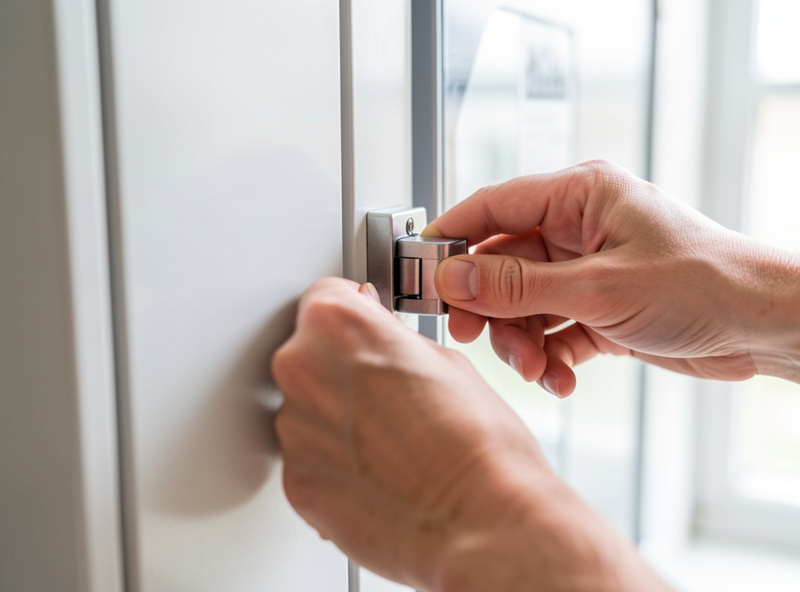
- Door latch. Confirm the door is fully closed and latched square. A door that looks shut but is not fully seated is the single most common no-start cause. Open it and re-close it firmly.
- Drain valve position. The drain valve must be set correctly for the stage. A valve in the wrong position can stop the machine from advancing into vacuum. Confirm it is where it should be for the start of a cycle.
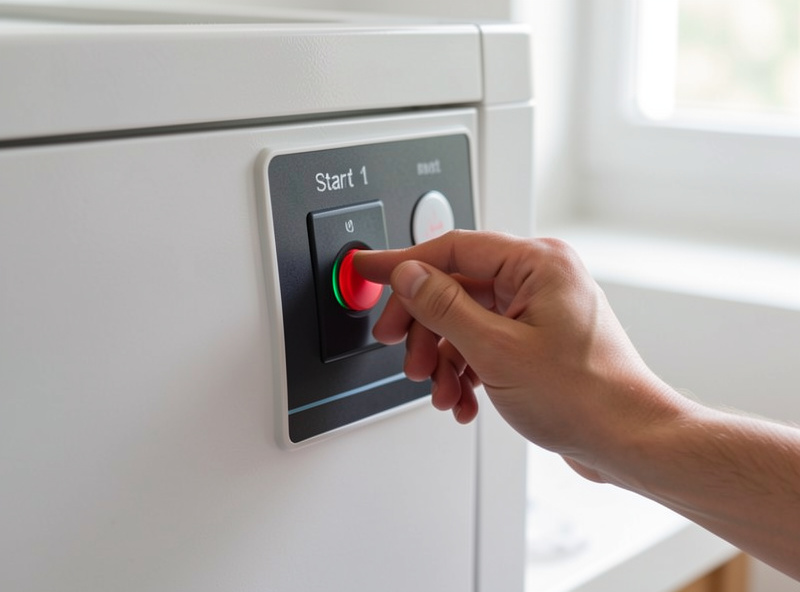
- On-screen prompt. The machine may be waiting for you to answer a prompt — confirm the food is loaded, select the cycle type, or acknowledge a setting. Read the display and respond to what it is actually asking.
- Cycle selection. Make sure you have actually selected and started a cycle, with the correct mode for your load. It sounds obvious, but a half-entered selection leaves the machine idle.
- Clean power cycle. If all of the above are satisfied and it still won’t start, power the machine fully off, wait a short while, and power it back on, then start the sequence from the top.
In my experience, the first or second item clears the great majority of no-starts. The drain valve in particular catches people because it is easy to leave in the wrong position from the previous batch — the same valve that, left open, also stops the machine from reaching vacuum, as covered in my not reaching vacuum guide.
The Door Is Usually the Answer
If I had to bet on one cause, it is the door. The door has to seal a deep vacuum, so the latch and seal are an enforced interlock — a door that is not fully seated means no vacuum, which means no cycle, so the machine holds. A bit of frost on the gasket from a rushed turnaround, food packed slightly too high so the door does not close square, or a latch not pushed fully home all produce the same stuck-at-start behavior.
The fix is to open the door, check the gasket is clean and seated and nothing is obstructing the closure, and re-latch it firmly. If the door will not seat properly even when clean, inspect the gasket for damage — a hardened or torn gasket is a cheap part and the same one behind ice and vacuum complaints. That overlap is covered in my ice buildup guide.
Clear a Stuck Sequence With a Clean Restart
Sometimes the preconditions are all genuinely met and the machine is just hung — software, like any controller, can occasionally get stuck. The fix is a single clean power cycle: stop, power fully off, wait a short while, power back on, and start the sequence from the beginning. A machine that starts normally after that was simply hung, and you are back in business. One restart is a fair diagnostic step; repeatedly forcing restarts to push past a condition the machine keeps refusing is not — that condition is real.
If a clean restart does not get the cycle going and you have confirmed the door, valve, prompts, and selection, you have moved past the easy fixes. Note exactly where it stalls and what the display shows, in your log, before you escalate. That record is what makes a support call fast and useful — the same logging habit my curing chamber taught me.
When a No-Start Means the Machine
Rarely, a no-start is a genuine fault rather than an unmet precondition. A failed door switch that cannot confirm the latch, a control board that won’t advance the sequence, or an electrical issue can all stop a cycle from starting even when you have done everything right. The tell is a no-start that survives the full checklist and a clean power cycle, with no obvious door, valve, or prompt cause — often accompanied by a hardware code that returns immediately.
That is technician territory. Control electronics and switches inside the machine are not driveway repairs, and on a unit under warranty a DIY attempt can void coverage. Document the symptom, the stall point, and any code from your log, and contact Harvest Right support. Knowing where operator troubleshooting ends and a service call begins is part of honest ownership, which I lay out in my ownership reality check. If you are brand new and unsure what a normal start even looks like, my first batches guide walks the whole sequence.
Frequently Asked Questions
Why does my freeze dryer turn on but not start the cycle?
Almost always an unmet precondition rather than a fault. The machine holds at the start until the door is fully latched, the drain valve is correctly positioned, any on-screen prompt is answered, and a cycle is actually selected. Work those in order and one usually clears it.
What is the most common reason a freeze dryer won’t start?
The door not being fully latched and seated. Because the door has to seal a deep vacuum, the latch is an enforced interlock, so a door that looks shut but is not fully home stops the cycle. Open it, check the gasket, and re-latch firmly.
Can the drain valve stop my freeze dryer from starting?
Yes. The drain valve must be in the correct position for the cycle. Left in the wrong position from the last batch, it can prevent the machine from advancing into the vacuum stage, so confirm it is set correctly as part of your start-up checklist.
Should I power cycle my freeze dryer if it won’t start?
Yes, once, after confirming the door, valve, prompts, and cycle selection are all correct. Power it fully off, wait briefly, power back on, and start from the top. A machine that was simply hung will start normally. If it still won’t, the cause is real, not a glitch.
When does a no-start mean my freeze dryer is broken?
When it survives the full checklist and a clean power cycle with no door, valve, or prompt cause, often with a hardware code that returns immediately. A failed door switch or control board is technician territory, especially under warranty, so document it and contact support.