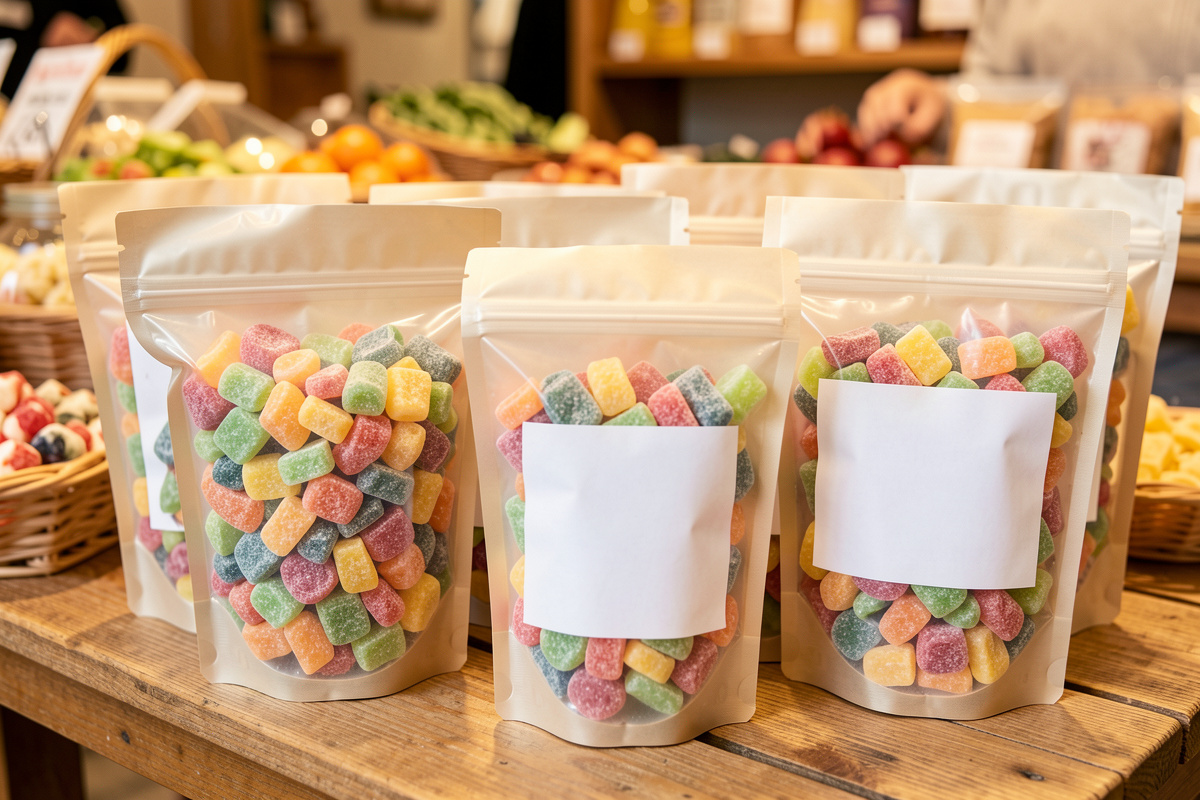

Selling freeze-dried candy is a real micro-business, but the economics are tighter and the rules more involved than the viral videos suggest. You are buying retail candy, paying for power across a 12–30 hour cycle plus packaging, and competing with everyone who watched the same video — so the margin is real only at volume and only if you respect your local cottage-food and labeling laws. Plan for it as a side hustle with genuine overhead, not a money printer.
I do not sell my candy and I publish no income claims — food-business regulation is its own rabbit hole and not my lane. What I can give you is the operator’s view: the per-batch costs, the power draw, the packaging spend, the realistic throughput of one home machine, and the legal questions you must answer before you sell a single bag. This is the honest groundwork the “start a candy empire” content skips.
The real costs behind each batch
Every bag of freeze-dried candy you sell has to cover candy, power, packaging, and your time — and those add up faster than sellers expect. You pay retail or near-retail for the candy itself, the machine draws power for 12–30 hours per batch, and each retail bag needs mylar or stand-up packaging plus an oxygen absorber and a label. None of these are huge individually, but stacked against a small-batch home machine’s output, they set a hard floor under your pricing.
Here is a simplified per-batch cost picture for one Medium-class machine. Your actual numbers depend on local power rates, candy prices, and packaging choices, so treat this as a framework to fill in, not a quote.
| Cost item | What drives it | Notes |
|---|---|---|
| Candy stock | Retail candy price | Bought at retail unless you source wholesale |
| Electricity | 12–30 hr cycle | See running-costs guide for your rate |
| Packaging | Mylar + O2 + label | Per retail unit, scales with volume |
| Pump maintenance | Oil changes, wear | Amortized across many batches |
| Your time | Load, monitor, package | The cost sellers most often ignore |
The full machine-side math lives in my running-costs guide, which breaks down the power and maintenance per cycle. Map your candy and packaging costs on top of that and you will have an honest cost-per-bag before you ever set a price.
Throughput: what one home machine can actually produce
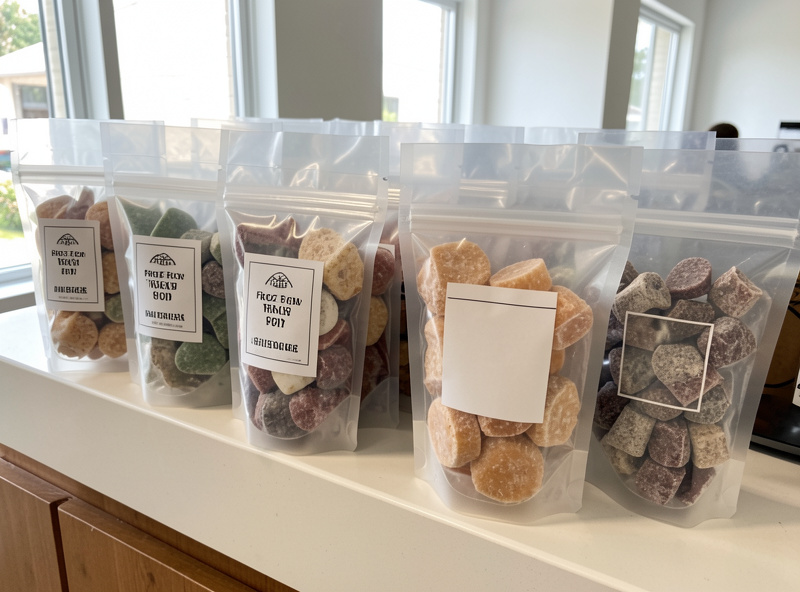
A single home freeze dryer is the bottleneck in any candy business, and it is slower than people imagine — one machine runs roughly one candy batch per day given a 12–30 hour cycle plus loading, cleanup, and packaging. That is the hard ceiling on your output: you cannot make more candy than your machine can cycle, no matter how many orders you take. Candy also bulks up dramatically once puffed, so a batch fills more retail bags than the raw candy weight suggests, but the per-day batch limit still caps you.
This is why scaling a freeze-dried candy operation means more machines, not a busier single one, and that is a serious capital decision. Before anyone buys a second unit chasing demand, I point them at the capacity comparison and the buying guide — tray space is everything for candy, and a machine too small will throttle a business before it starts. Know your realistic daily output before you promise anyone a delivery date.
The legal side: cottage food and labeling
Selling food you make at home is regulated, and freeze-dried candy is no exception — most regions have cottage-food laws that govern what you can sell, where, and how it must be labeled. Rules vary widely by country, state, and municipality: some places allow home-based sales of shelf-stable foods with registration and proper labeling, others require a licensed commercial kitchen, and many have specific rules about which foods qualify. This is the part you must research for your own jurisdiction before selling anything, because getting it wrong carries real consequences.
At minimum, expect requirements around ingredient labeling, allergen declarations, your business name and contact details, and net weight on every package. Because you are repackaging name-brand candy, there are also trademark and ingredient-disclosure considerations. I am an operator, not a lawyer, and food-business law is genuinely outside my lane — so the only responsible advice I can give is to contact your local cottage-food or health authority and confirm the rules before you sell. Treat that step as non-negotiable, not optional.
Packaging for sale, not just storage
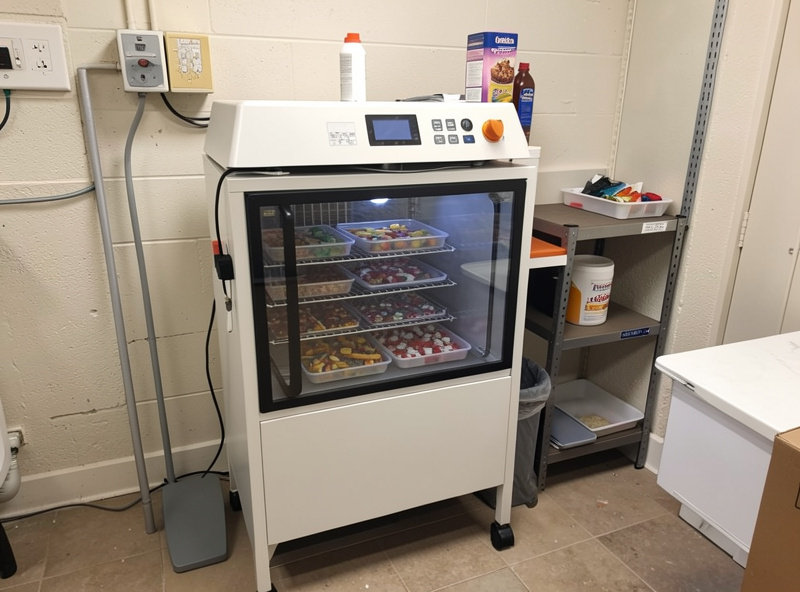
Retail candy needs packaging that protects the crunch and looks professional, which is a step up from how you would bag candy for yourself. Because freeze-dried candy is hygroscopic and turns chewy if it reabsorbs moisture, every retail unit needs a proper moisture barrier — typically a sealed mylar or stand-up pouch with an oxygen absorber — or your customers receive a chewy, disappointing product. Presentation matters too: stand-up pouches with a clear window and a clean label sell better than plain bags.
My packaging process is the same one I use for storage, scaled for consistency: impulse-sealed mylar with a correctly sized oxygen absorber, sealed within minutes of the candy leaving the trays. Resealable stand-up mylar pouches with a window are a common retail choice. Whatever shelf life you put on a label must be defensible — keep claims to what is commonly reported and never promise a guarantee, as covered in my storage guide. As an Amazon Associate I earn from qualifying purchases.
Is it actually worth it?
Freeze-dried candy is genuinely sellable — it is novel, photogenic, and people pay a premium for the puff — but whether it is worth it depends entirely on your costs, your local rules, and how you value your time. The product sells; the question is whether the margin after candy, power, packaging, and hours is worth the effort and the regulatory work for you. Many people find it a fun way to offset the cost of a machine they already own; few find it a path to meaningful income from a single unit.
My honest take, as someone who runs the machine but does not sell: enjoy candy as the best reason to use a freeze dryer you already have, and go into any selling plan clear-eyed about the math. If the economics do not pencil out after an honest accounting, that is useful to know before you invest — see my piece on when freeze drying isn’t worth it. And if you are still learning the craft, master the loads in the candy guide first; a consistent product is the foundation any candy business stands on.
Frequently Asked Questions
Can you make money selling freeze-dried candy?
It is a real micro-business but the margins are tighter than viral videos suggest. You buy candy at retail, pay for power and packaging, and one home machine caps your output at roughly one batch a day. Many people use it to offset a machine they own; few earn meaningful income from a single unit.
Is it legal to sell freeze-dried candy from home?
It depends entirely on your local cottage-food laws, which vary by country, state, and municipality. Some places allow home sales of shelf-stable foods with registration and labeling; others require a licensed kitchen. Contact your local cottage-food or health authority and confirm the rules before selling anything.
How much candy can one freeze dryer produce?
Roughly one candy batch per day, since a cycle runs 12 to 30 hours plus loading, cleanup, and packaging. That batch limit is the hard ceiling on output. Scaling a candy business means adding machines, not running one faster, which is a serious capital decision.
What does it cost to make a batch of freeze-dried candy?
Each batch must cover candy bought at retail, 12 to 30 hours of electricity, packaging with mylar and an oxygen absorber and a label, amortized pump maintenance, and your time. Map your local candy and power costs onto the running-costs framework to get an honest cost per bag.
How should freeze-dried candy be packaged for sale?
Every retail unit needs a proper moisture barrier, typically a sealed mylar or stand-up pouch with an oxygen absorber, sealed within minutes of the candy leaving the trays. Freeze-dried candy is hygroscopic, so without a good barrier customers receive a chewy product. Clean labeling and presentation matter for sales.
Do you need a license to sell freeze-dried candy?
Often yes, in some form, but it varies by jurisdiction. Many areas require cottage-food registration, proper labeling with ingredients and allergens, and sometimes inspection. Because you repackage name-brand candy there are also labeling and disclosure considerations. Verify the requirements with your local authority before selling.
What shelf life can I claim on freeze-dried candy?
Only what is defensible and commonly reported, never a guarantee. Shelf life depends on packaging quality and storage conditions, and overstating it is both a quality and a credibility risk. Keep label claims conservative, store everything dry and sealed, and point to storage best practices rather than absolute promises.