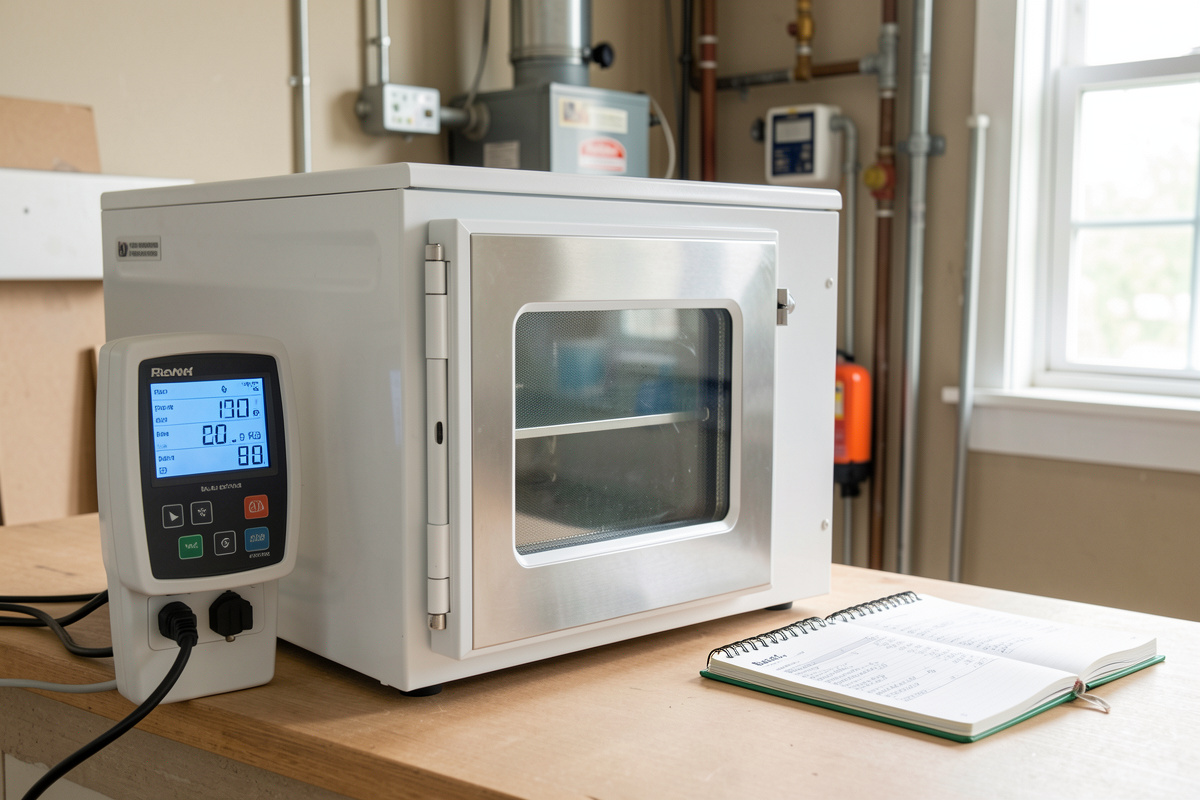

The honest answer on freeze dried food cost per serving is “it depends entirely on what you put in” — but most of the per-serving figures you’ll see ignore the biggest variable: the food itself. If you’re freeze drying a garden glut you’d otherwise compost, your cost per serving can beat fresh. If you’re buying produce at the store just to freeze dry it, you’ll almost always spend more than buying it fresh. The machine, the power, and the packaging are real costs on top, but the food is what swings the math. At the U.S. average residential electricity rate of about 17 cents per kWh (EIA data), one full 20-to-40-hour cycle adds only a few dollars of power — so with near-free garden surplus, energy and packaging are nearly the entire bill.
I keep a batch log specifically so I’m not guessing about this. Below I’ll break the true cost per serving into the parts you can actually measure, show why garden-grown and grocery-bought give wildly different answers, and compare home freeze drying against both fresh food and store-bought freeze-dried pouches. No fantasy ROI, no invented precision — just the variables and how they stack.
The Four Costs Behind Every Serving
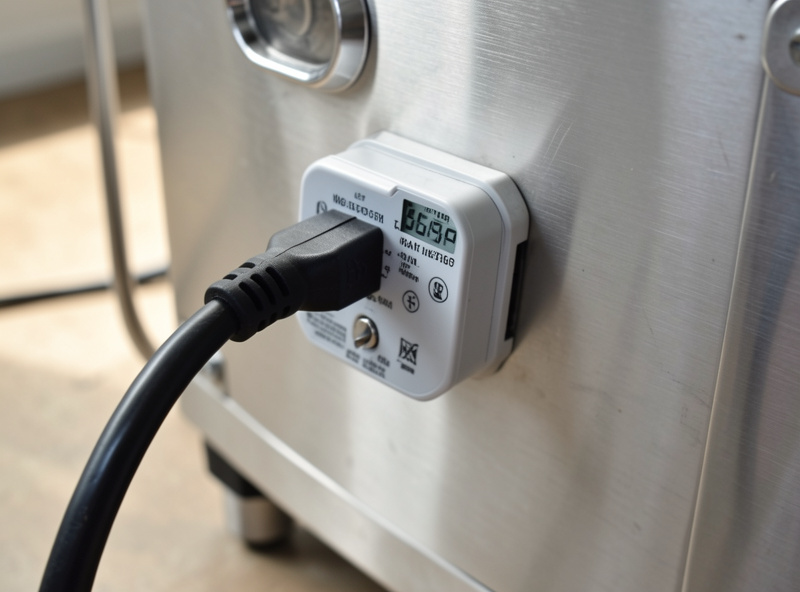
A realistic cost per serving has four parts. First, the food: free-to-cheap if it’s garden surplus, full retail if you bought it. Second, the energy: a freeze dryer pulls real power across a 20-to-40-hour cycle, so each batch carries an electricity cost you can measure with a plug meter. Third, consumables: mylar bags, oxygen absorbers, and pump oil are a small per-batch cost that adds up over time. Fourth, the machine itself, amortized — the four-figure purchase spread across all the servings it will ever produce.
That fourth cost is the one people either ignore or weaponize. Spread across thousands of servings over years of heavy use, the machine cost per serving shrinks toward trivial. Spread across a few light loads a year, it stays painful. This is why volume dominates the whole calculation, and why I measure power and track consumables instead of trusting a marketing figure. My running costs and power cost per batch guides break those middle two costs down in detail.
Garden Glut vs Grocery-Bought: The Math Splits in Two
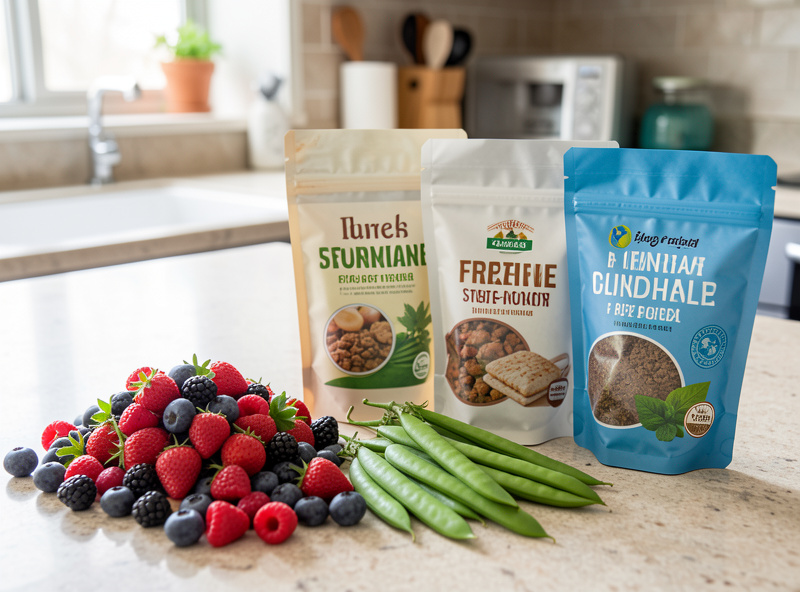
This is the fork that decides everything. When the food is a genuine garden glut — berries, peas, herbs, the seasonal surplus you can’t eat fast enough — its cost is essentially the gardening you were doing anyway. In that case, freeze drying converts food that would have rotted into shelf-stable servings, and the cost per serving is mostly just energy and packaging. That’s the scenario where home freeze drying genuinely competes with, and can beat, buying equivalent food.
Buy that same produce at the store specifically to freeze dry it, and the picture flips. Now you’re paying retail for the food plus the energy plus the consumables plus machine wear — almost always more per serving than just eating it fresh, and often more than store-bought freeze-dried too. The machine doesn’t create value out of nothing; it preserves value you already have. If you have no surplus to preserve, the cost-per-serving argument for running it largely collapses, which is part of why I wrote when freeze drying isn’t worth it.
Cost Per Serving Compared
The table below is a framework, not a price list — your actual numbers depend on your power rate, your machine, and especially your food source. It shows the direction each scenario pushes cost per serving.
| Scenario | Cost-per-serving direction | Why |
|---|---|---|
| Freeze dry a garden glut, full loads | Lowest; can beat fresh | Food is near-free surplus; only energy + packaging |
| Freeze dry bulk-bought-on-sale food | Moderate | Cheap food cost, but still energy + consumables + machine |
| Freeze dry full-retail grocery produce | High; usually above fresh | Paying retail plus all equipment costs |
| Buy fresh and eat it | Baseline | No equipment or energy overhead |
| Buy store-bought freeze-dried pouches | High per serving | You pay for someone else’s machine, labor, and margin |
The pattern is consistent: home freeze drying wins on cost only when your food is cheap or free and you run full loads. Against full-retail food it rarely wins on pure dollars — what it buys you then is shelf life, light weight, and rehydration quality, not savings.
Don’t Forget the Consumables
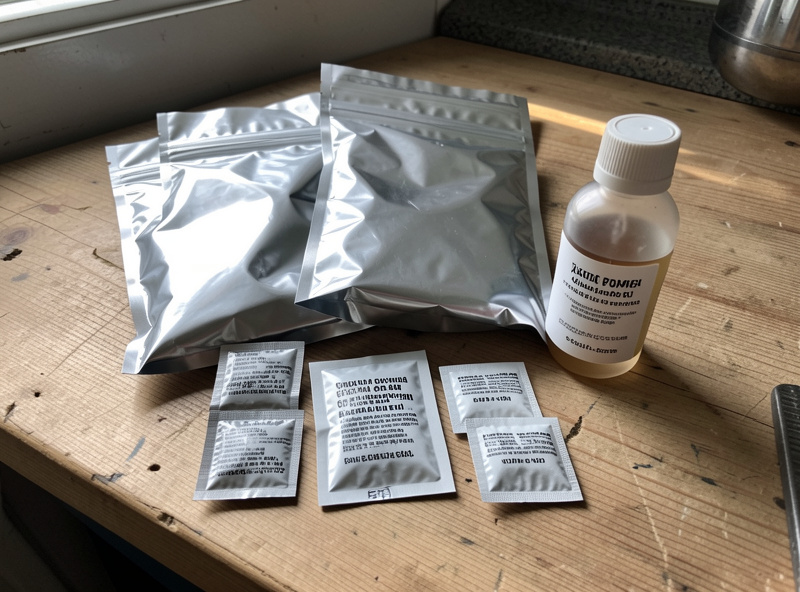
The per-serving cost people most often leave out is packaging. Every long-term load needs mylar bags and correctly sized oxygen absorbers, and the pump needs periodic oil. None of these are large on their own, but they’re a recurring cost the “free food forever” pitch quietly omits. Over many batches they’re a genuine line item, and they’re the difference between an honest cost-per-serving number and a fantasy one. As an Amazon Associate I earn from qualifying purchases. If you’re pricing the packaging line, a bulk pack of mylar bags and oxygen absorbers spreads the per-bag cost down considerably versus buying them in small quantities.
Factor those in and you get a number you can actually trust. I’d rather quote you an honest cost per serving that includes a few cents of bag and absorber than a clean-looking figure that pretends packaging is free. The same goes for the machine amortization — ignoring it makes the math look better than your bank account will agree with.
How to Calculate Your Own Number
Here’s the method I use, and you can run it on a single batch. Add up four things for one load: the food cost (use your real cost, which may be near zero for garden surplus), the measured electricity for the cycle, the bags and absorbers used, and a small slice of the machine’s price divided by how many loads you realistically expect over its life. Divide that total by the number of servings the load produced. That’s your honest cost per serving — and it’ll be specific to your food source and power rate, not someone’s headline figure.
Run it twice — once for garden food, once for store-bought — and the two-way split becomes obvious in your own numbers. If you’re also weighing the upfront purchase against all this, my financing math piece covers the total cost of ownership, and the ownership reality check covers whether it’s worth buying at all. For the bigger picture of how freeze drying stacks against other preservation on cost, see the full methods comparison.
Frequently Asked Questions
Is freeze drying food cheaper than buying fresh?
Only when the food is cheap or free, like a garden glut, and you run full loads. Then the cost per serving can beat fresh. If you buy produce at full retail just to freeze dry it, you almost always spend more per serving than simply eating it fresh.
What costs go into freeze-dried cost per serving?
Four things: the food itself, the electricity for the 20-to-40-hour cycle, consumables like mylar bags, oxygen absorbers, and pump oil, and a share of the machine’s purchase price spread across all the servings it will ever produce. Ignoring any of these makes the number look artificially low.
Is home freeze drying cheaper than store-bought freeze-dried food?
It can be, mainly when your food is garden surplus and you run full loads, because store-bought pouches include someone else’s machine cost, labor, and margin. With full-retail food and light use, home freeze drying often is not cheaper once you count equipment and energy.
Does a freeze dryer pay for itself?
Sometimes, but rarely as fast as marketing claims. It only approaches paying for itself with high volume of cheap or free food run in full loads over years. Preserving full-retail food in light loads usually never pays back the machine, power, and consumable costs.
How do I measure my real cost per serving?
Add the food cost, the measured electricity for one batch, the bags and absorbers used, and a slice of the machine price divided by its expected lifetime loads. Divide by the servings that batch produced. Run it once for garden food and once for store-bought to see the difference clearly.