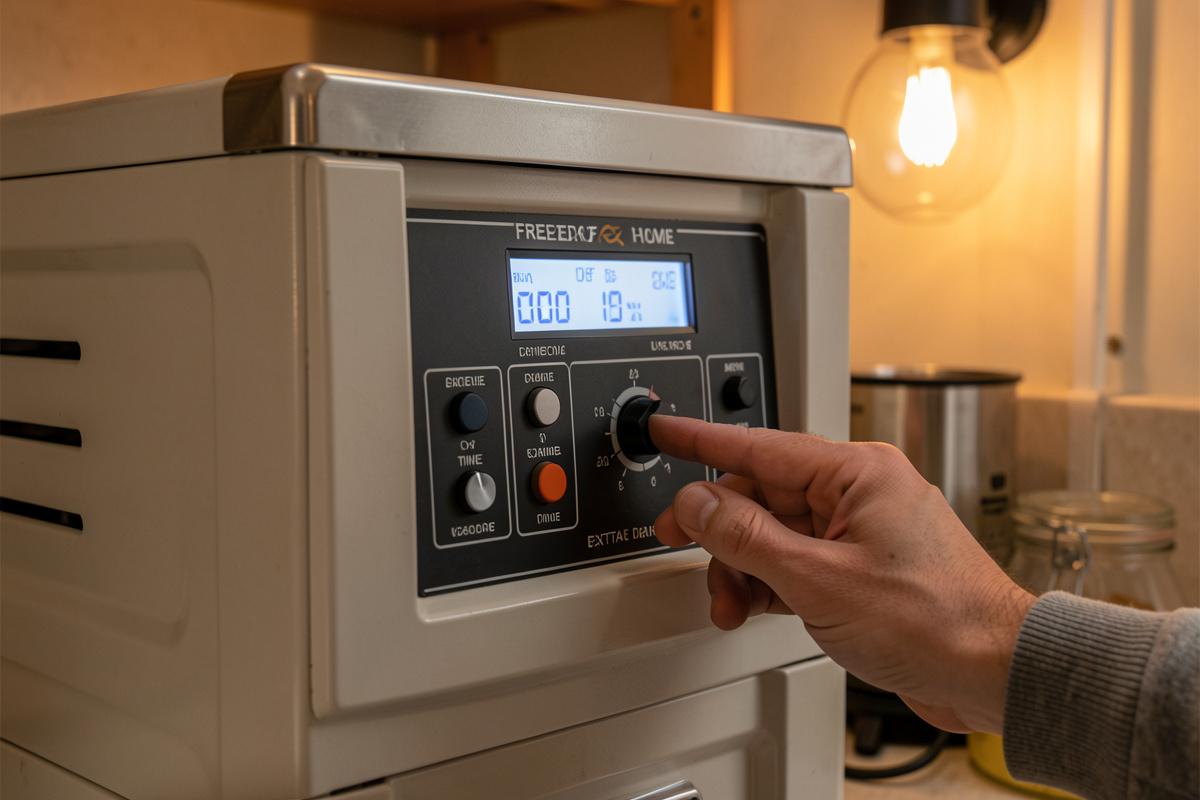

When a freeze dryer batch fails the dry check, you add extra dry time rather than calling it finished. Most home machines let you add dry cycle in increments, and a load that failed the snap test in the center usually needs another two to six hours. Re-running is normal, not a malfunction, and it costs far less than the load you would lose by sealing it wet.
The instinct to accept a not-quite-dry load is the most expensive habit in this hobby, and I had to break it myself after sealing one too many soft loads early on. The good news is that adding time is cheap and low-risk, so the right move when in doubt is almost always to run more. This guide is the re-run logic from my batch log: exactly when to add time, how much, why over-drying does no harm, and how to stop needing the re-run in the first place by fixing the load upstream.
When Should You Add Extra Dry Time?
Add extra dry time whenever any of the three dry checks fail: a piece bends instead of snapping, the tray is still losing weight, or the food feels cool to the touch. Any one of these means moisture remains. Do not seal the load hoping it will finish in the bag; it will not, and the trapped moisture ruins storage.
The decision is binary and the criteria are simple, which is exactly why I rely on the three checks rather than guesswork. If the thickest piece in the center bends, add time. If a weighed tray is still dropping weight an hour apart, add time. If the load feels cool, add time. There is no penalty for being cautious here, and there is a steep penalty for being optimistic. I would rather pull a fully dry load an hour later than seal a marginal one and discover the failure weeks down the line when a stored bag has gone soft or clumped.
How Much Extra Time Does a Load Need?
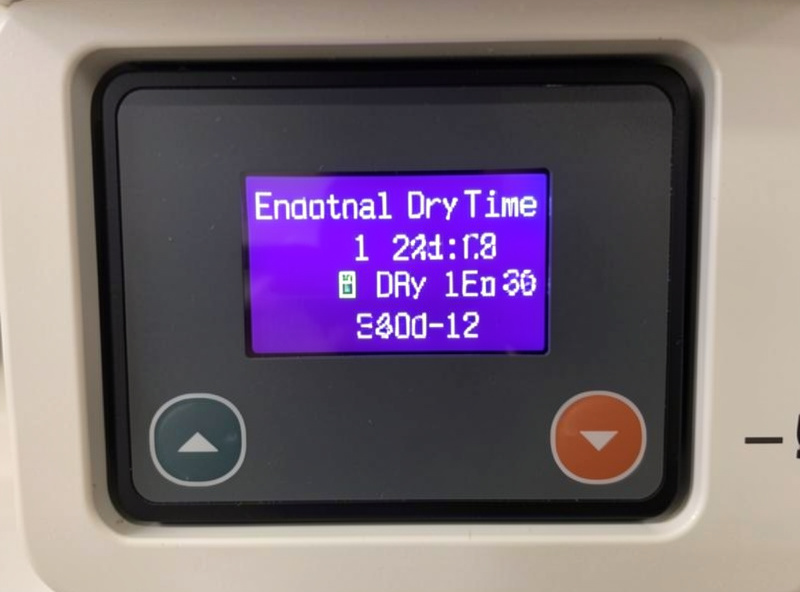
A load that failed the dry check usually needs another two to six hours, depending on how much moisture remains and how dense the food is. Add time in increments, re-check with the snap and weight tests, and repeat if needed. Dense items, sugary foods, and thick liquid layers tend to need the most additional time.
I add time in blocks rather than guessing a single large number. If a load just barely bends in the center, two hours often does it; if it is clearly moist, I start with four to six and re-check. The re-check matters as much as the added time, because the goal is to stop the moment the load is actually dry, not to run blindly. My batch log helps here too: once I have re-run a particular food a few times, I know it routinely needs the extra stage and I build that into the plan rather than discovering it at the end. That turns the re-run from a surprise into a predictable step for the foods that always need it.
Does Over-Drying Hurt the Food?
No, over-drying does not harm freeze-dried food. Once all the moisture is gone, additional dry time simply runs the heaters and vacuum on already-dry food with nothing left to remove. This asymmetry is the whole argument for caution: under-drying ruins a load you will not catch for weeks, while over-drying costs only a couple hours of cheap run time.
That asymmetry is worth dwelling on because it should shape every re-run decision. The downside of stopping too early is severe and delayed; the downside of running too long is trivial and immediate. Given that, the rational move when the checks are ambiguous is always to add time. The extra dry stage also runs without the energy-hungry freeze stage, so it is cheaper per hour than the main cycle, which makes caution even more affordable. I have never regretted an over-dried load. I have absolutely regretted the ones I sealed a little too soon. There is one nuance worth noting: very high-fat foods are the rare case where running endlessly does not help, because fat does not sublimate, so a fatty load that still feels greasy is not under-dried, it is just fat that freeze drying cannot remove. For everything water-based, though, the rule holds firmly. When the question is water, more dry time is always a safe answer, and the cost of that caution is measured in cheap hours rather than spoiled loads. That is why I treat the re-run as a normal part of running the machine rather than a sign that something went wrong, and it is the same patience that the wider cycle-time records are built on.
How Do You Stop Needing Re-Runs?
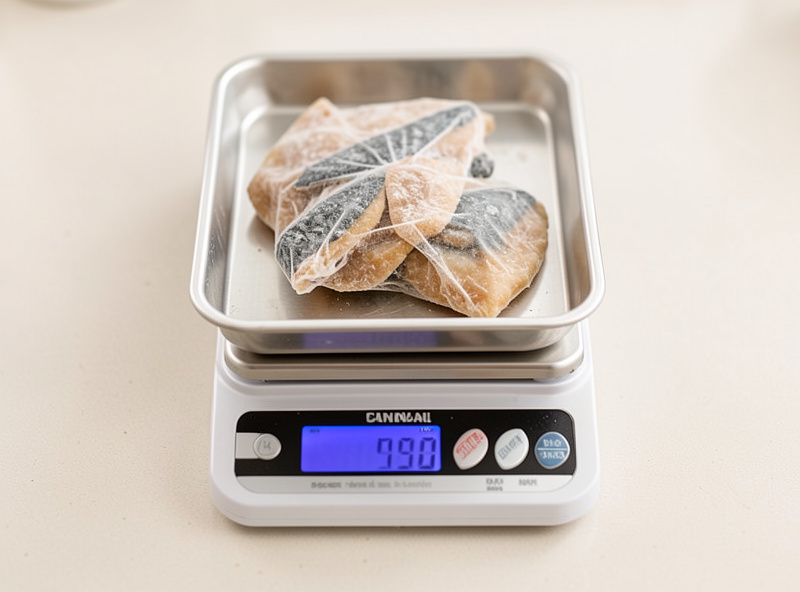
You reduce re-runs by fixing the load upstream: pre-freeze food solid, spread it in a thin even layer, keep pieces uniform in size, and balance trays to similar weights. Most re-runs trace back to a thick center or a warm load that the dry cycle could not finish in step, not to a fault in the machine.
This is the part people miss when they blame the machine for slow or failed cycles. The freeze dryer can only work with the load you give it, and an overpacked or under-frozen tray hands it a problem no setting can solve. When I tightened up my pre-freeze and loading discipline, my re-run rate dropped sharply, because I was no longer asking the machine to dry a moist center that should never have existed. A thin, evenly loaded, fully pre-frozen tray finishes in step across its whole surface and passes the dry check the first time. The re-run is your safety net, but the goal is to need it rarely. For shelf life and storage, remember that even a perfectly dried load only keeps as long as it is sealed well against moisture and oxygen, and quoted storage figures are commonly reported, not guaranteed. One small habit that protects a hard-won dry load is sealing it with a fresh oxygen absorber the moment the dry check passes; I keep a stock of food-grade oxygen absorbers on the packing bench so a confirmed-dry load never sits exposed pulling moisture back out of the air while I hunt for supplies. The dry check and the seal are two halves of the same job.
As an Amazon Associate I earn from qualifying purchases.
Re-Run Decision Guide
This table sums up the re-run logic from my batch log. The signals are the same three dry checks; the action is almost always the same, add time, with the amount scaled to how wet the load is. As always, re-check after adding time rather than assuming a fixed number finished the job.
| Signal | What It Means | Action |
|---|---|---|
| Thickest piece bends slightly | Minor moisture in center | Add ~2 hours, re-check |
| Piece clearly pliable or leathery | Significant moisture | Add 4-6 hours, re-check |
| Tray still losing weight | Still releasing water | Add time until weight stable |
| Food feels cool to touch | Sublimation ongoing | Add time, re-check temperature |
| Powder cakes when pressed | Hygroscopic moisture | Add time, seal fast when dry |
| Condensation in sealed bag | Sealed too wet | Reopen, return to machine, re-run |
Frequently Asked Questions
What do you do if freeze-dried food is not dry?
Add extra dry time rather than sealing it. Most home machines let you add dry cycle in increments. A load that failed the snap test in the center usually needs another two to six hours. Re-check with the snap and weight tests before packaging.
How much extra dry time does a freeze dryer load need?
Usually two to six hours, depending on how much moisture remains and how dense the food is. Add time in increments and re-check rather than guessing one large number. Dense, sugary, and thick liquid loads tend to need the most.
Can you over-dry food in a freeze dryer?
No, over-drying does not harm the food. Once moisture is gone, extra time runs the machine on already-dry food. Under-drying ruins a load you will not catch for weeks, so when the dry check is ambiguous, adding time is always the safe choice.
Why does my freeze dryer keep needing re-runs?
Most re-runs trace to the load, not the machine: a thick center, a warm load, or uneven trays. Pre-freeze food solid, spread it thin and even, and balance trays to similar weights. Fix the load upstream and the re-run rate drops sharply.