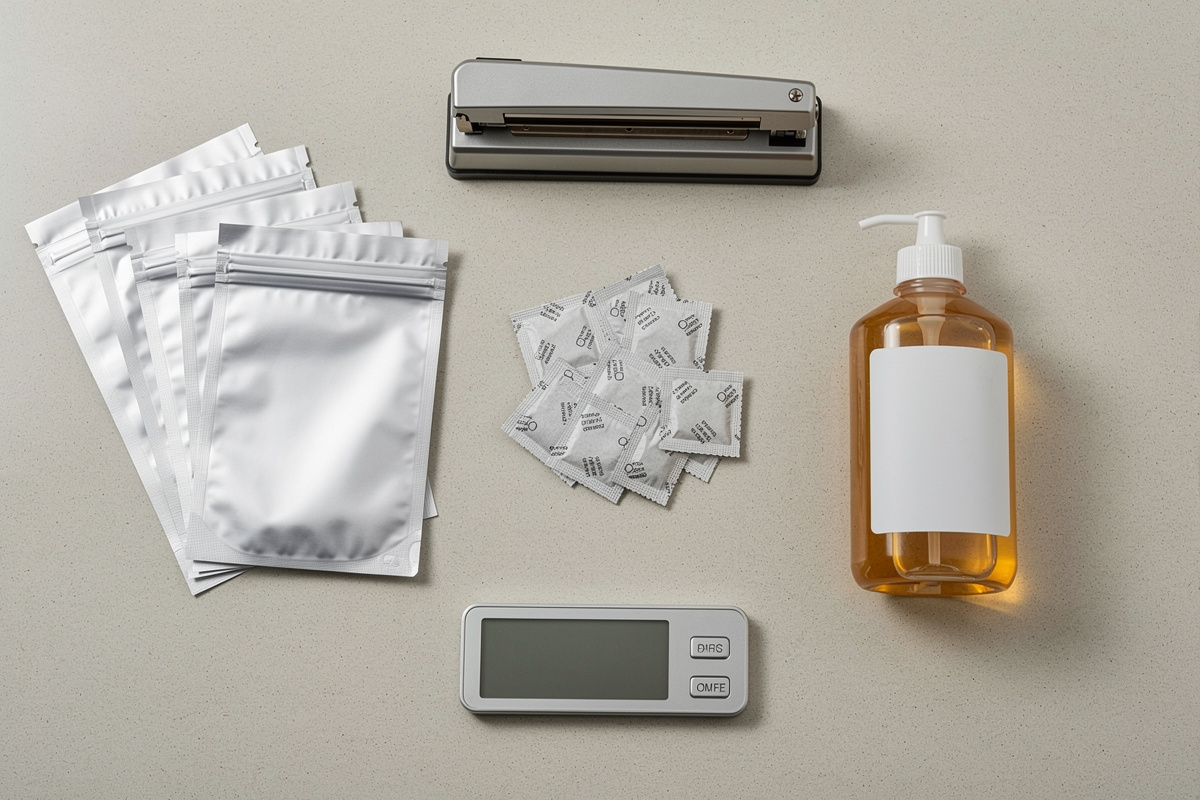

The machine is the headline, but it can’t actually finish a single batch without a short list of accessories the marketing tends to bury under a pile of upsells. Plenty of new owners get the freeze dryer delivered, run their first cycle, and then realize they have no way to actually store what came out — the mylar and the sealer never made it into the cart. This guide separates the genuine day-one kit from the nice-to-haves, based on what I actually reach for on my own bench versus what’s gathered dust on the shelf.
It’s the gear companion to the main freeze dryer buying guide. My rule for what makes the day-one list is simple: if you can’t complete a batch and store it safely without the item, it’s essential; if it just makes things nicer, it can wait until you know your own workflow.
Disclosure: As an Amazon Associate I earn from qualifying purchases. The day-one items below are linked because they’re the ones I genuinely consider non-negotiable — the machine is sold direct by the manufacturer, so there’s no machine link here, just the consumables and tools that make it usable.
The genuine day-one essentials
There’s a short list of things you want in hand before — or with — the machine, because without them your first batch has nowhere to go. Everything here earns its place because a batch isn’t really finished until it’s sealed and stored, and you can’t do that with the machine alone.
Pump oil (if you’re running the oil pump)
If your machine has the standard oil pump, oil is the one consumable you genuinely can’t skip — a fresh fill before the first run and changes on schedule after. I treat it like the lifeblood of the pump, because tired oil is the most common reason a vacuum starts to suffer. Have a supply on hand from day one so you’re never tempted to run a cycle on oil that’s overdue. You can find vacuum pump oil on Amazon to match what your pump specifies. (Oil-free pump owners skip this one — that’s part of the trade-off covered in the pump decision guide.)
Mylar bags and oxygen absorbers
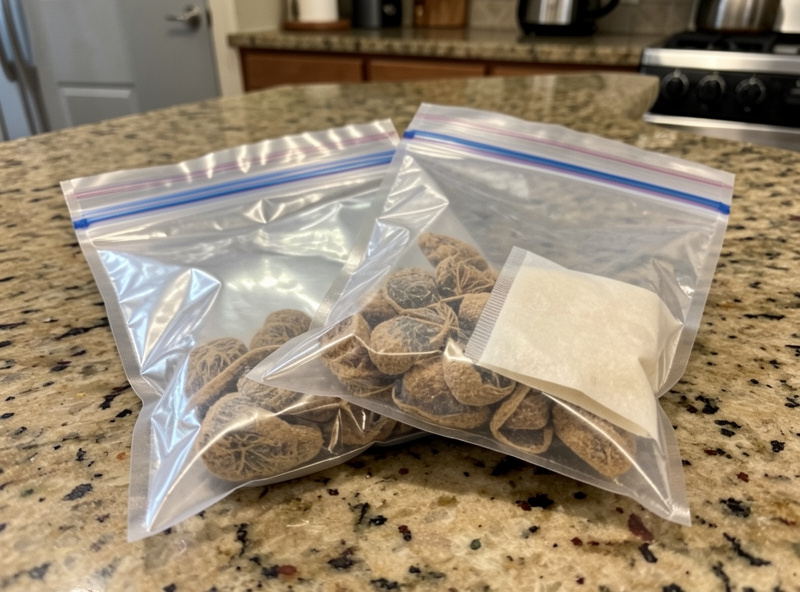
This is the storage backbone and the thing most first-timers forget. Freeze-dried food’s whole point is long shelf-stable storage, and the commonly reported best practice for that is mylar bags with oxygen absorbers, which together limit the air and moisture that degrade food over time. I want to be careful and honest here: this is widely reported storage practice, not a safety guarantee, and the shelf-life numbers you see quoted come from manufacturers, not from me. For anything safety-critical, I point you to USDA guidance and the manufacturer. What I can tell you is that mylar plus oxygen absorbers is what I package my own batches in. Stock mylar bags with oxygen absorbers on Amazon before your first batch comes out.
A way to seal the bags
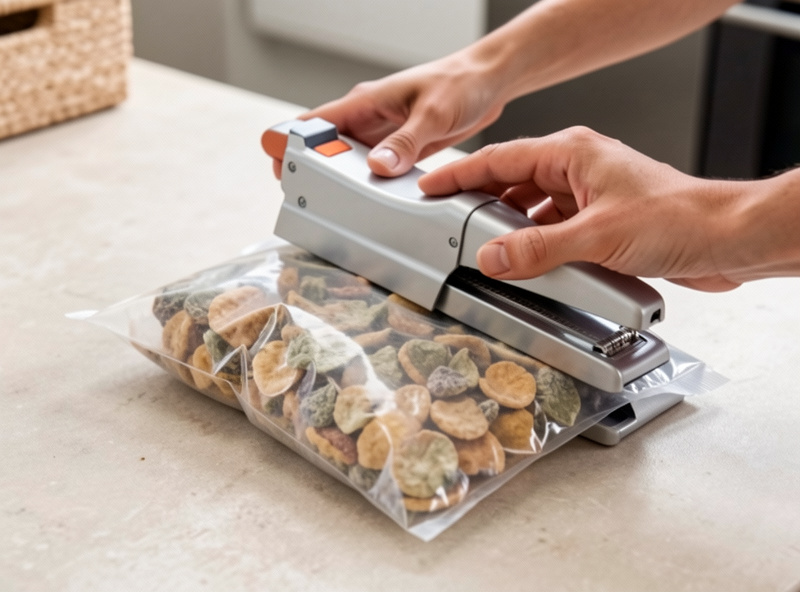
Mylar bags need a proper heat seal to do their job, and a household iron is a frustrating way to get there. An impulse sealer gives a clean, repeatable seal and is the tool I reach for every batch. It’s the difference between storage that actually holds and bags that slowly let air back in. An impulse sealer for mylar bags is genuine day-one kit — pair it with the bags above.
The accessories I’d add early (but not panic over)
| Accessory | What it does | Day-one or later? |
|---|---|---|
| Pump oil (oil pump) | Keeps the vacuum healthy; essential consumable | Day one |
| Mylar bags + oxygen absorbers | The storage backbone for long-term keeping | Day one |
| Impulse sealer | Clean, repeatable heat seal for mylar | Day one |
| Kitchen scale | Weigh loads and verify dryness against the log | Early |
| Tray liners / mats | Easier release and cleanup, candy and liquids | Early / as needed |
| Drain pan | Somewhere for defrost water to go | Early |
| Jars + lids | Short-cycle storage for fast-use items | As your workflow forms |
| Labels / marker | Date and rotate your stock | As your workflow forms |
A kitchen scale earns its place fast
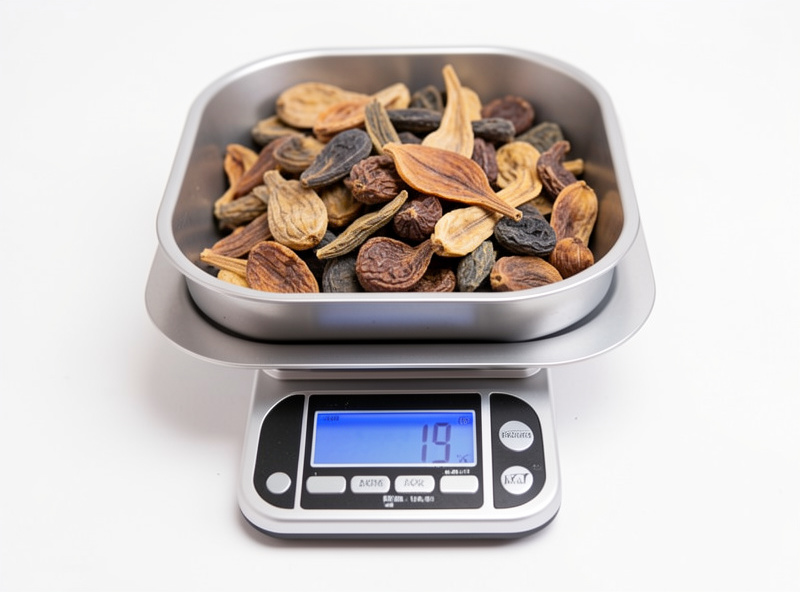
Not strictly day-one, but I’d add a scale early because it turns guesswork into data. Weighing a load going in and the finished product coming out — and comparing against your batch log — is one of the honest ways to verify a batch is actually done rather than hoping it is. A scale is cheap insurance against under-drying. Grab a digital kitchen scale on Amazon and start logging weights from your first batch; the data pays off for years.
The upsells I’d skip at first
The marketing loves to bundle a long accessory list to inflate the cart, and plenty of it can wait until you know your own workflow. Specialty trays, extra gadgets, and bulk consumable packs are easy to over-buy before you’ve run enough batches to know what you actually preserve. My honest advice: buy the day-one essentials, add a scale early, and let everything else earn its way onto your bench as your routine reveals what you genuinely need. The shelf of half-used accessories in every owner’s utility room is built from day-one over-enthusiasm — start lean and add deliberately.
A couple of specifics worth naming, because they’re the ones most over-pushed. Tray liners and silicone mats are genuinely useful — but they’re a “buy them once you know what you’re drying” item, not a panic purchase, since what you preserve determines whether you need them at all. Bulk consumable packs of mylar and oxygen absorbers make sense once your volume is established, but buying a huge quantity before your first batch is a common way to end up with the wrong sizes. And the gadget-y extras — fancy moisture meters, specialty accessories — are things I’d only add if a real gap in my workflow appeared. The discipline that serves you best is the same one that serves the whole purchase: buy for the batch you’re actually about to run, not the imagined pantry of someday.
The day-one shopping list, simplified
If you want the whole thing in one breath: pump oil if you run the oil pump, mylar bags with oxygen absorbers, and an impulse sealer to close them — that’s the non-negotiable kit that turns the machine into a working preservation system. Add a kitchen scale early to verify your batches, a drain pan and tray liners as you settle in, and jars and labels as your storage routine forms. Buy the essentials with the machine so your first batch has somewhere to go, and remember that all the storage practice here is commonly reported best practice — for shelf-life and food-safety certainty, the manufacturer and USDA guidance are the authorities, not me.
Frequently Asked Questions
What accessories do you actually need with a freeze dryer?
Do I need mylar bags and oxygen absorbers for freeze-dried food?
Can I use a regular iron instead of an impulse sealer?
Why do I need a kitchen scale for freeze drying?
Do oil-free pump owners need pump oil?
What accessories can I skip at first?
Further Reading
Once you’ve got your day-one kit sorted, these guides round out the buying picture: